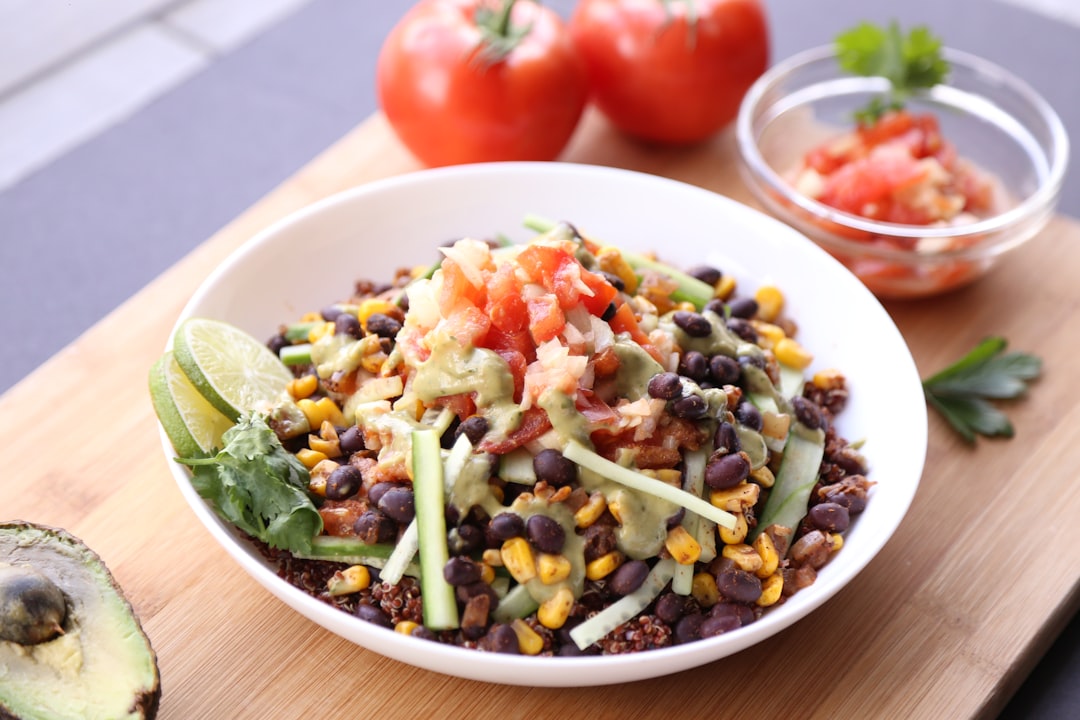
At some point in every high-protein eating phase, a person opens a container of meal-prepped chicken and feels nothing. Not hunger, not satisfaction — just an absence where enthusiasm used to be. They close the container. They order pizza.
This is chicken fatigue, and it happens to almost everyone who eats for protein without rotating their sources. The solution isn't giving up on protein targets — it's eating literally anything else.
Here's how to hit 38-44g of protein at lunch with no chicken involved.
Why Chicken's Reputation Is Slightly Overrated
Chicken breast's dominance as the "best" protein source is largely a consequence of being cheap and lean — not because it's uniquely effective. Here's how it actually compares:
| Source | 4 oz cooked | Protein | Notes |
|---|---|---|---|
| Chicken breast | 4 oz | 35g | The benchmark |
| Sirloin steak | 4 oz | 32g | More creatine and zinc |
| Pork tenderloin | 4 oz | 30g | Nearly as lean as chicken |
| Canned tuna | 5 oz can | 30g | Zero cooking required |
| Salmon fillet | 4 oz | 28g | High in omega-3 EPA/DHA |
| Ground beef (90% lean) | 4 oz | 28g | Versatile, batch preps well |
| Eggs | 3 large | 18g | Fast, cheap |
| Tempeh | 4 oz | 20g | Plant-based, high fiber |
Nothing on that list is dramatically worse than chicken. Sirloin is within 3g per serving. Tuna is half the price. Pork tenderloin is nearly identical in fat content. The "chicken is best" idea has more to do with habit than nutritional superiority.
The Beef Category
Ground beef is the most versatile non-chicken protein at lunch. It takes any seasoning you throw at it — taco spice, soy-garlic, Italian herbs, curry — and reheats without the dry, stringy texture that can make chicken breast unpleasant after a night in the fridge.
The Beef Taco Salad is the first beef lunch to try if you're looking for something that doesn't feel like a step down from chicken. Lean ground beef, black beans, romaine, shredded cheese, salsa, and avocado in one bowl. 42g protein at 510 calories. The combination of beef and beans means the protein is coming from two sources, which is part of why the portion feels substantial without being massive.
The taco seasoning matters here — it's what makes ground beef taste like actual food rather than brown protein. A packet costs $1 and transforms the experience.
Steak at lunch is the elevated option when you have a few more minutes and want something that genuinely feels special. Sirloin (the leaner cut) at 4 oz gives 32g protein and reheats better than most people expect, especially sliced thin and stored separately from any sauce or grain. Slice it while warm, store in the fridge, reheat in a pan or microwave at lunch with a drizzle of olive oil.
The Fish Category
Fish is the easiest category to underestimate until you try it. One can of tuna is 30g of protein with zero cooking. One salmon fillet is 28-35g and cooks in 12-15 minutes. Shrimp (23g per 4 oz) thaws in 5 minutes under cold water.
The Tuna Salad on Whole Grain is the zero-effort entry point to fish-based lunches — 38g protein from tuna and Greek yogurt binder over whole grain toast. It requires opening a can and mixing. If your lunch situation involves a desk and limited kitchen access, this is the format that works.
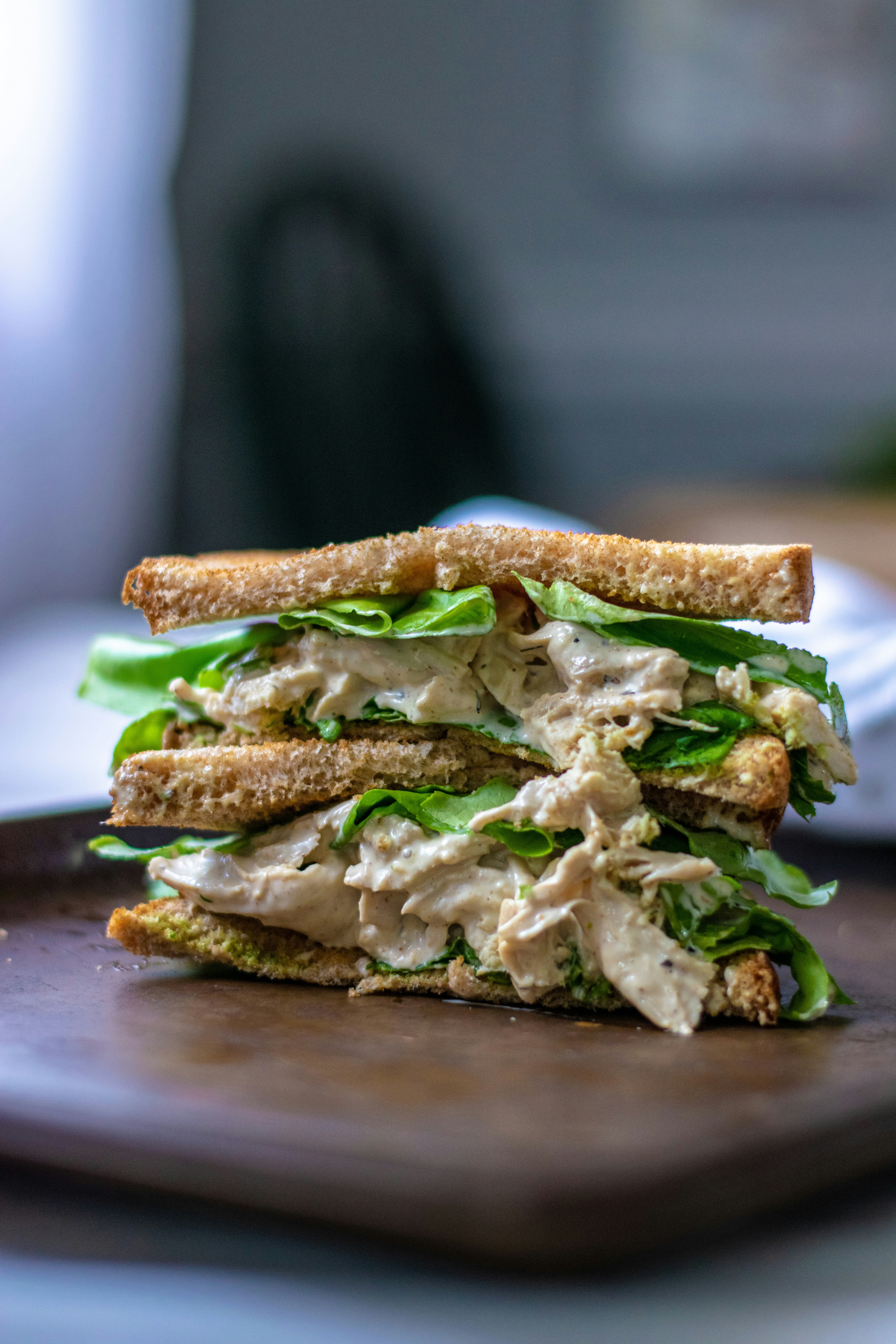
Salmon specifically is worth going out of your way for once or twice a week. It has the same protein density as chicken (roughly) and provides EPA and DHA omega-3 fatty acids that most people eating primarily chicken and beef are deficient in. The Salmon Rice Bowl hits 42g protein at 490 calories — teriyaki salmon over rice with broccoli. It takes 15 minutes and it's one of the few lunches that feels nutritionally complete in a way that goes beyond just hitting a protein number.
The Pork Category
Pork is the least appreciated protein at lunch, and it's genuinely excellent. Pork tenderloin is one of the leanest cuts of any meat — the fat content is comparable to chicken breast, but the texture after cooking and reheating is notably better. It stays moist where chicken dries out.
The Pork Tenderloin Salad is the version that converts skeptics — 40g protein, sliced pork over mixed greens with apple, walnuts, and balsamic. At 430 calories, it's a lighter lunch that doesn't feel like a diet meal. The apple and walnut combination makes it taste like a restaurant salad, not a protein quota.
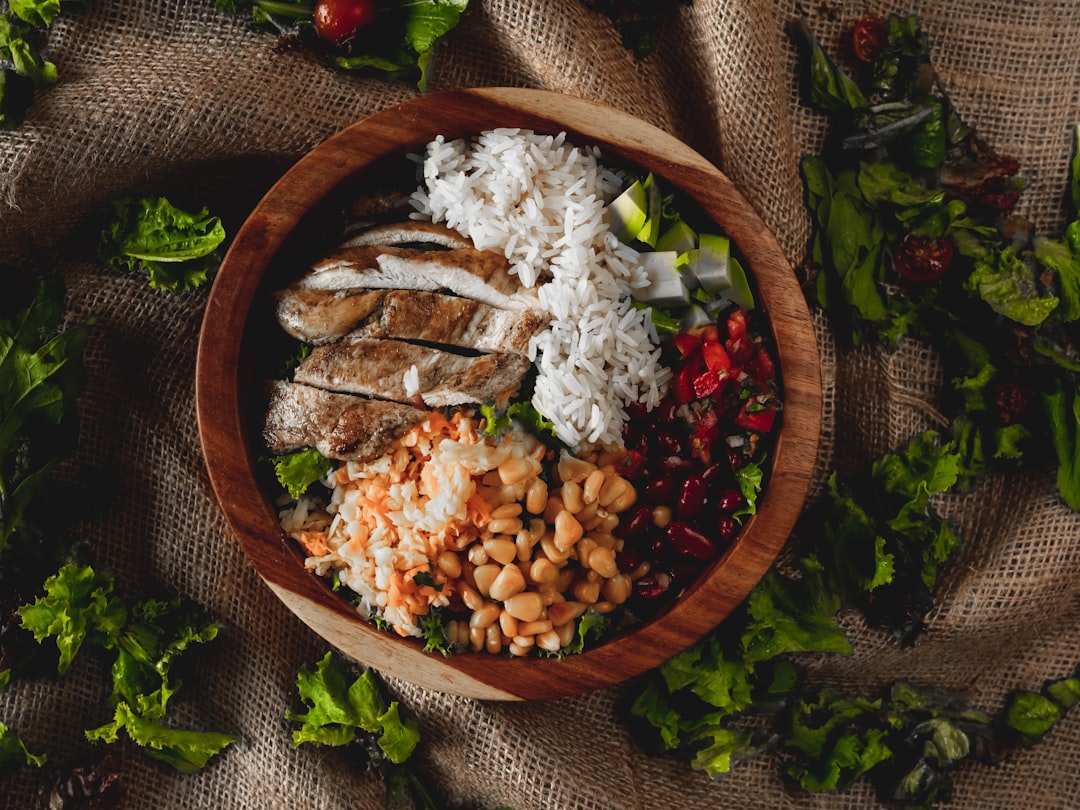
Pulled pork is the batch prep option. A pork shoulder cooked low-and-slow (or in a slow cooker for 8 hours while you're at work) produces an enormous amount of pulled meat that reheats perfectly all week. The texture doesn't degrade the way chicken breast can. Over rice with BBQ sauce and coleslaw is 40-42g of protein per serving with almost no daily effort after the initial cook.
The Eggs Category
Eggs at lunch are an underutilized move. Three eggs is 18g of protein — not enough alone, but with cheese, deli turkey, or beans, you're at 30-38g quickly.
The Egg Salad Sandwich is the traditional version — 26g protein from eggs and Greek yogurt binder over whole grain bread. It's a genuinely fast, cheap, chicken-free lunch. The Greek yogurt instead of mayo doubles the protein from the sauce and lightens the calorie load.
The scrambled egg bowl version goes further: 3 eggs scrambled with deli turkey and shredded cheese, served over greens or with whole grain toast on the side. 32-36g protein in 7 minutes. It reads as breakfast but it's a completely valid lunch — especially for people who work from home and don't have the social pressure of eating "lunch food" at a desk.
The Plant-Based Category
For lunches that cut animal protein entirely, tempeh is the highest-protein option. At 4 oz, tempeh gives 20g of protein in a fermented soy format that takes on flavor well from marinades and spice rubs. It's not the same as meat, but it's not trying to be.
The Tempeh Grain Bowl is 28g protein over quinoa with roasted beets and arugula — a genuinely satisfying lunch at 460 calories. The quinoa adds 8g on top of the tempeh's 20g, which is why grain bowls work well for plant-based protein stacking.
Cottage cheese also belongs here. A cup of cottage cheese is 28g of protein before toppings, requires no cooking, and works in both sweet and savory formats. Combined with nuts, seeds, or legumes, a cottage cheese bowl can hit 35-40g without meat.
FAQ
Is turkey the same as chicken for this purpose?
Mostly yes, nutritionally — but the experience is different. Ground turkey and deli turkey are genuine alternatives that hit similar macros. If you're specifically tired of chicken breast, ground turkey gives you a different texture, different recipe formats, and a different flavor profile. It's a real rotation, not a lateral move.
What's the cheapest non-chicken high-protein lunch?
Canned tuna. A 5-oz can is under $2 and delivers 30g of protein. Combined with whole grain bread (8g) you're at 38g for about $2.50. It requires no cooking and very little setup. Keep a few cans in the pantry as your fallback option.
How do I make myself actually enjoy fish at lunch?
Sauce is the answer. Tuna needs an acid (lemon juice, vinegar), a fat (Greek yogurt, mayo, olive oil), and salt. Salmon is excellent with teriyaki, soy-ginger, or a simple lemon-dill combo. Plain fish is unpleasant for most people. Properly seasoned fish is genuinely good. The preparation matters more than the protein source.