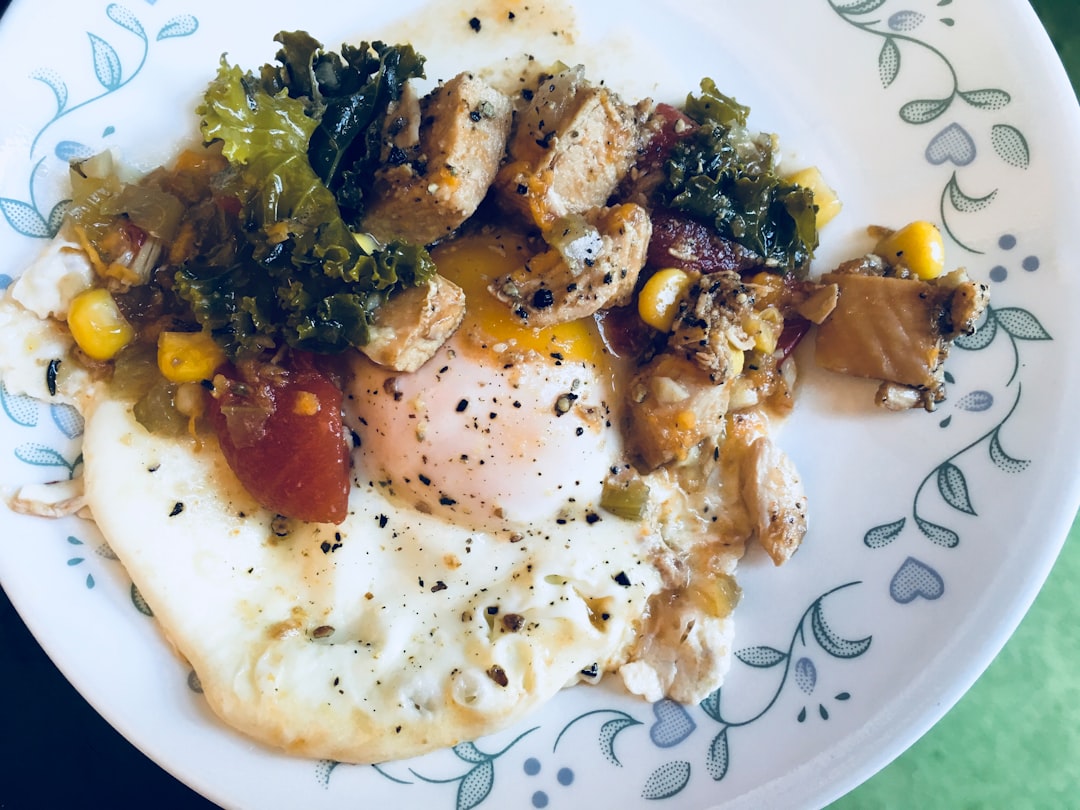
Eggs are the most versatile high-protein food in existence. One large egg: 6g protein, 70 calories, 5g fat, zero carbs. They emulsify sauces, leaven baked goods, bind together ingredients that have no business staying in the same pan, and serve as the base for the most variety-rich high-protein cooking available.
Most people use about 5% of what eggs can do. They scramble them. Maybe fry them on the weekend. Sometimes hard-boil a batch for snacks. The rest of the cookbook goes unopened.
This is the guide to the rest of the cookbook.
Why Eggs Hit Different at 4+ Eggs vs. 2 Eggs
A two-egg scramble is 12g of protein. Fine for a side dish. Not enough for a protein-focused meal.
A four-egg preparation (omelette, frittata, skillet) is 24g protein from the eggs alone before any other ingredient contributes. Add 3 oz of lean ground turkey, chicken sausage, or cheese and you're at 38-42g. That's the shift: eggs as the primary protein vehicle instead of the breakfast accompaniment.
The math for a serious egg meal:
- 4 eggs: 24g protein
- 2 oz shredded cheddar: 14g protein
- 2 oz lean turkey or chicken: 12g protein
- Total: 50g protein
That's more protein than most protein powders in a single scoop, from food that takes 10 minutes and costs under $4.
The Turkey Egg Bowl: Fastest High-Protein Breakfast
The egg bowl format is the fastest way to get to 36-38g protein without requiring any specific cooking skill. You're essentially making deconstructed scrambled eggs with intentional protein additions.
The Turkey Egg Breakfast Bowl is 410 calories and 38g protein — four eggs scrambled with ground turkey, shredded cheddar, and salsa served as a bowl. The 38g protein comes from eggs (~24g), turkey (~10g), and cheese (~4g). The bowl format means you can scale: add more turkey, add beans, add Greek yogurt as a sauce, and the protein number keeps climbing without changing the technique.
The key to a good egg bowl vs. mediocre one: cook the turkey first (3-4 minutes in the pan until brown), remove it, cook the eggs in the same pan on lower heat (medium, not medium-high), then fold the turkey back in at the end. Cooking eggs and ground meat simultaneously results in overcooked eggs — the meat takes longer and you'll overcook the eggs waiting for it.
The Omelette: More Practical Than It Sounds
Omelettes have a reputation for being fussy. That reputation is earned by restaurant omelettes that require very specific pan movement and timing. The home omelette doesn't need any of that.
The simplified home omelette:
- Beat 3-4 eggs with a pinch of salt
- Heat pan to medium (not medium-high — this is the #1 omelette mistake)
- Add a teaspoon of butter, let it foam and subside
- Pour in eggs, don't touch for 30 seconds
- When the edges set and the center is still loose, add fillings to one half
- Fold the other half over, slide onto a plate
That's it. The "fold cleanly" step that intimidates people isn't required for a good result — a messy fold at home still tastes like an omelette.
The Egg White Omelette is 280 calories and 30g protein — made with egg whites instead of whole eggs, which drops the fat and calorie content significantly while maintaining the protein. If you're eating lower calorie and still want 30g of protein from eggs, egg whites are the path: 1 cup of egg whites (roughly 7-8 eggs worth) = 27g protein, 130 calories, essentially zero fat.
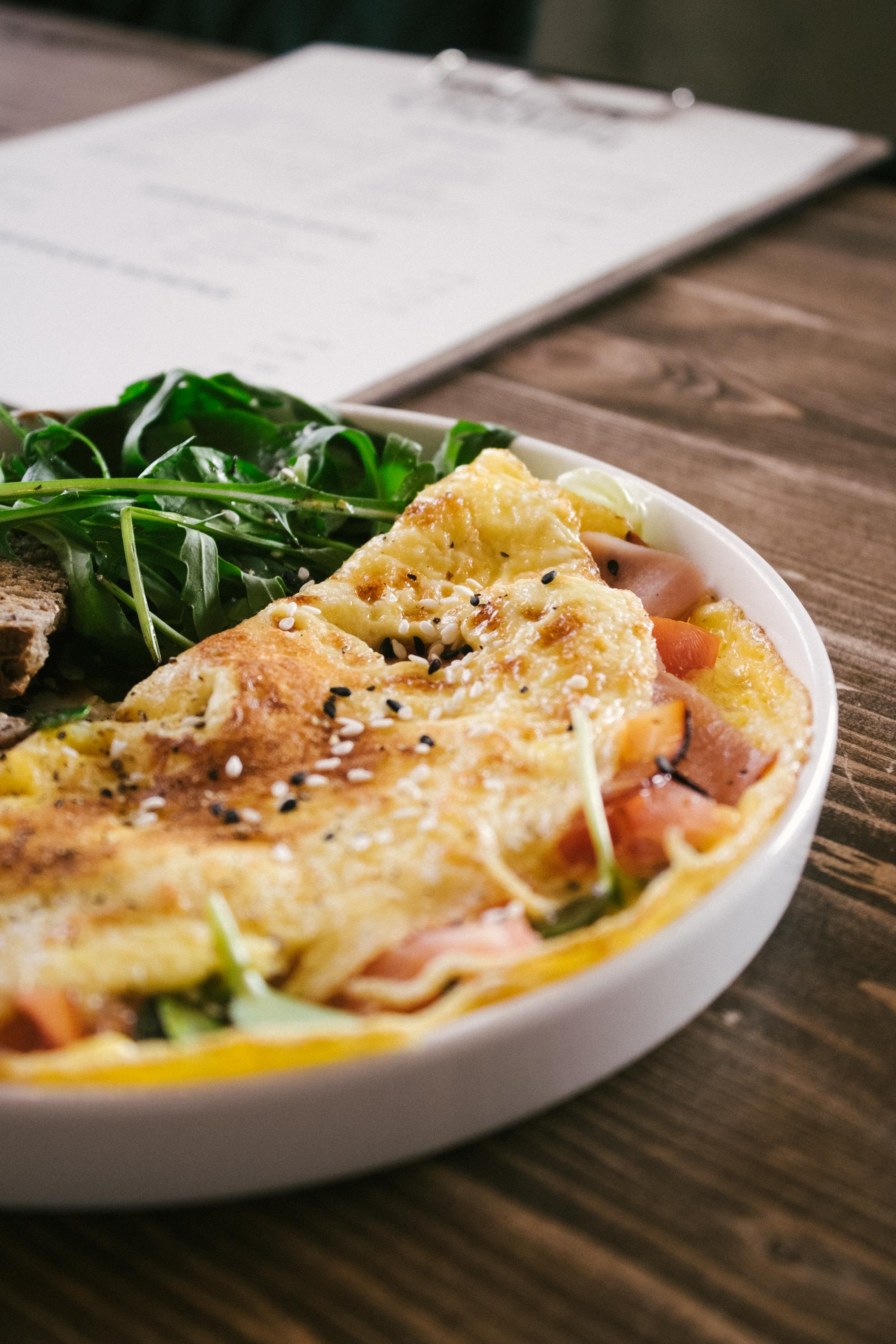
The flavor trade-off is real — egg whites have less flavor than whole eggs because flavor compounds are carried in fat. Compensate with filling: cheese, fresh herbs, salsa, sautéed vegetables. The fillings carry the flavor; the egg whites provide the protein structure.
The Skillet Frittata: One Pan, Serves Multiple People
A frittata is a baked egg dish — like an omelette that you start on the stovetop and finish in the oven instead of folding. The advantage over scrambled eggs or omelettes: you can make a large batch (6-8 eggs) at once, it holds its shape when cut, and it refrigerates and reheats well for 3-4 days.
The technique:
- In an oven-safe skillet (cast iron is best), cook your fillings — potatoes, sausage, vegetables — in a little oil until done
- Beat 6-8 eggs with salt and whatever spices you like, pour over the cooked fillings
- Cook on medium for 3-4 minutes until the edges set
- Transfer skillet to 375°F oven for 10-12 minutes until center is firm
- Let cool 5 minutes, slice like a pie
The Loaded Breakfast Potatoes takes the frittata-adjacent approach — crispy potatoes with eggs, cheese, and sausage cooked as a loaded skillet. 510 calories, 36g protein. The potato base provides substance; the eggs and sausage provide the protein bulk.
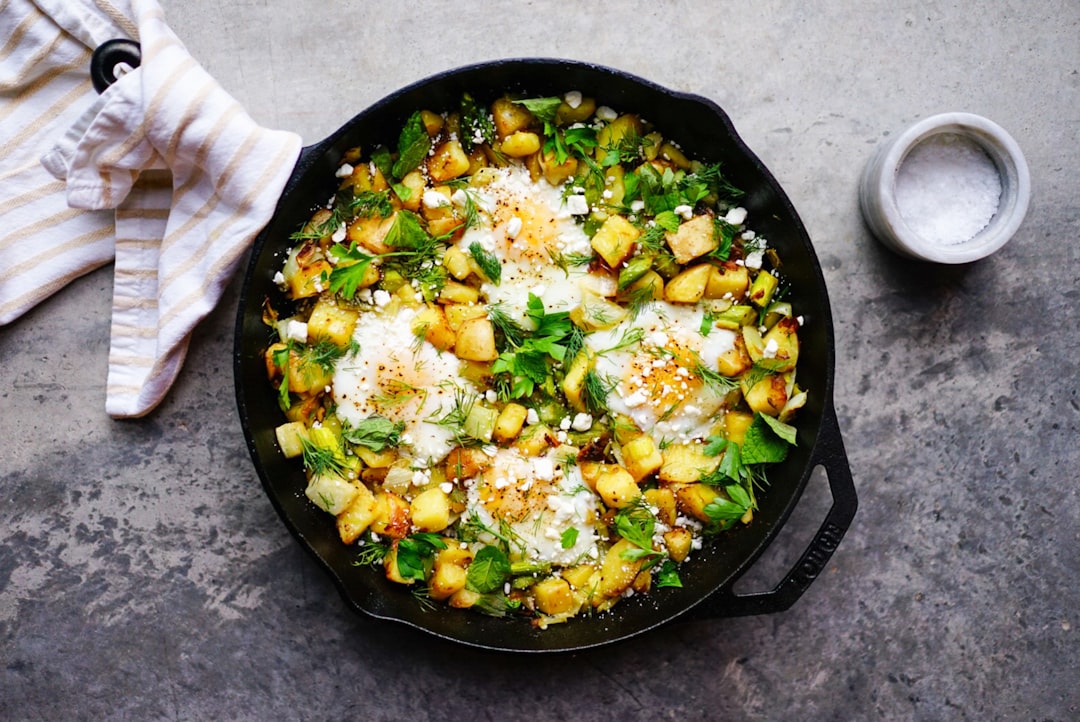
For meal prep: frittata cut into wedges and stored in the fridge reheats in 90 seconds. Six eggs, 2 oz cheese, 3 oz turkey sausage, and whatever vegetables you have makes a frittata that's 5-6 servings of ~32g protein each. That's multiple mornings solved from one 25-minute cooking session.
The Egg Formats, Ranked by Versatility
| Format | Protein range | Technique difficulty | Meal prep? |
|---|---|---|---|
| Egg bowl | 36-42g | Easy | Good (reheat gently) |
| Frittata | 30-38g per serving | Medium | Excellent |
| Full omelette (4 eggs) | 28-36g | Medium | No (eat immediately) |
| Egg white omelette | 28-34g | Medium | No (eat immediately) |
| Loaded skillet | 32-40g | Easy | Good |
| Hard-boiled (4 eggs) | 24g | Easy | Excellent |
The frittata and egg bowl are the meal-prep winners. Omelettes are for eating immediately — they don't hold their texture after refrigeration.
The Hard-Boiled Batch: Background Protein That Requires Zero Cooking
Hard-boiled eggs as a batch prep: 12 eggs, covered with cold water in a pot, brought to a boil, removed from heat, covered and rested 11 minutes, transferred to ice water. That's 72g of protein sitting in your fridge, ready to eat any time, with zero skill required and no active cooking time.
The add-ons that get hard-boiled eggs to a real protein meal:
- 4 hard-boiled eggs + avocado + everything bagel seasoning = 32g protein, 5 minutes
- 4 hard-boiled eggs sliced into a salad + 2 oz of tuna = 44g protein
- 4 hard-boiled eggs + Greek yogurt dip + vegetables = 30g protein, zero cooking
Eggs as the background protein you add to other foods — not just a standalone — is often where they deliver the most value per unit of effort.
FAQ
Why do my scrambled eggs turn out rubbery?
Two causes: high heat and overcooking. Scrambled eggs should be cooked on low to medium heat, stirred slowly and constantly, and removed from heat while they still look slightly underdone. The residual heat in the pan finishes them. High heat causes the proteins to seize and expel water, creating a rubbery texture. The French method (very low heat, constant folding) is the gold standard — it takes 8-10 minutes but produces creamy, soft eggs every time.
Does cooking method change the protein content of eggs?
Slightly — cooking eggs improves protein digestibility compared to raw eggs. A raw egg has ~51% protein digestibility (the protein is partially bound up in a way your gut can't fully break down). A cooked egg has ~91% digestibility. You absorb more protein from a cooked egg than a raw one. The exact grams of protein don't change, but how much your body can actually use does.
Can I prep hard-boiled eggs in an air fryer?
Yes, and it's actually easier than the stovetop method. 275°F, 15 minutes, immediately into ice water. The air fryer gives slightly more consistent results because there's no guessing about water temperature — the air is a constant temperature throughout. The peeling is slightly easier too, since the small air pocket in the egg expands more uniformly in an air fryer than in boiling water.