For most people, "high protein breakfast" means eggs. Scrambled, fried, boiled — doesn't matter, it's eggs. And for the first few weeks, eggs are great. They're cheap, protein-dense, and fast.
Then you eat them every single morning for three months and you start to dread opening the carton. That's egg fatigue, and it's a real thing. The good news: eggs are not your only path to 30-40g of protein before 9am. Not even close.
Why You Don't Actually Need Eggs
Eggs have a good reputation for protein, but the numbers aren't exceptional. One egg is 6g of protein. Three eggs is 18g — which is a solid start but not a complete 30g breakfast on its own.
Here's how other breakfast foods compare to three eggs:
| Food | Serving | Protein |
|---|---|---|
| Eggs | 3 large | 18g |
| Plain Greek yogurt | 1 cup | 17–20g |
| Cottage cheese | ½ cup | 14g |
| Ground turkey (cooked) | 3 oz | 21g |
| Deli turkey | 4 slices | 16g |
| Protein powder | 1 scoop | 20–25g |
| Chicken breast | 3 oz | 26g |
Pick any two of those and you're at 30g. Eggs don't have a monopoly on this.
The Cottage Cheese Tier
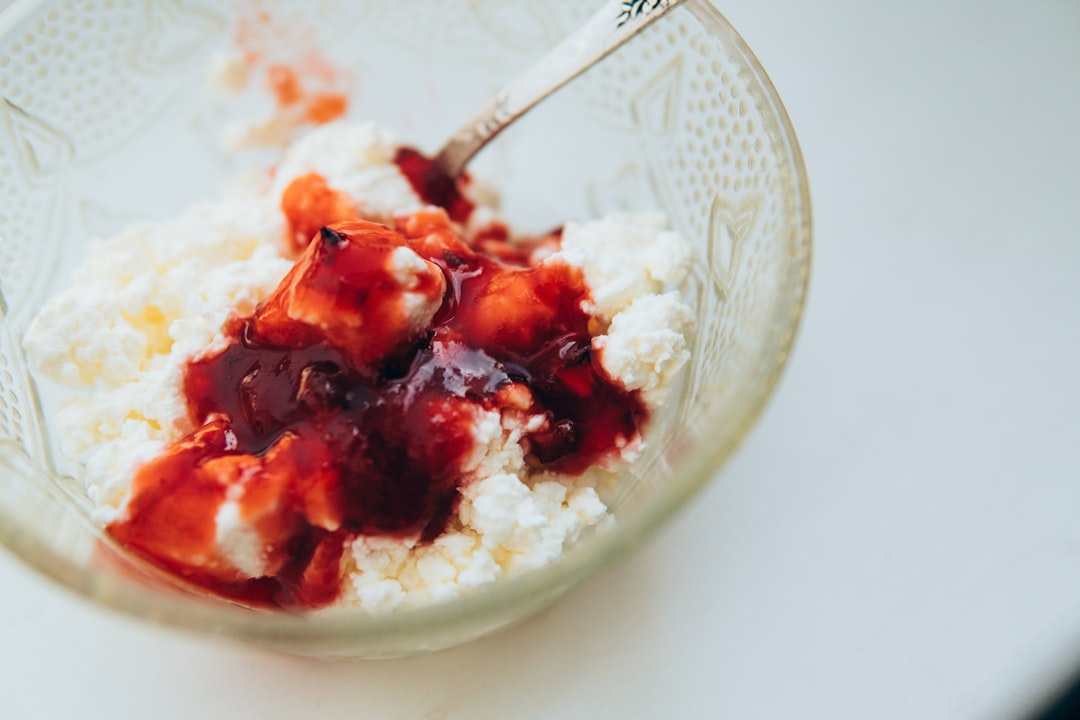
Cottage cheese is probably the most underused high-protein breakfast food in existence. Half a cup gives you 14g of protein with almost no carbs, and it works both sweet and savory.
Sweet: 1 cup cottage cheese, a drizzle of honey, mixed berries, a tablespoon of chia seeds. 28g protein, no cooking, takes 90 seconds.
Savory: Spread cottage cheese thick on whole grain toast, add sliced tomatoes, a crack of black pepper, and everything bagel seasoning if you have it. Surprisingly good. The Savory Cottage Cheese Toast builds on this — 30g protein and it looks like brunch rather than a protein delivery vehicle.
The texture problem: If you hate the curds, blend your cottage cheese for 30 seconds. It becomes completely smooth — same mild flavor, same protein content, none of the texture that puts people off. Try it before you write it off.
The Cottage Cheese & Fruit is the most approachable starting point — 28g protein, sweet, no cooking, and it's genuinely good enough to eat voluntarily.
The Greek Yogurt Tier
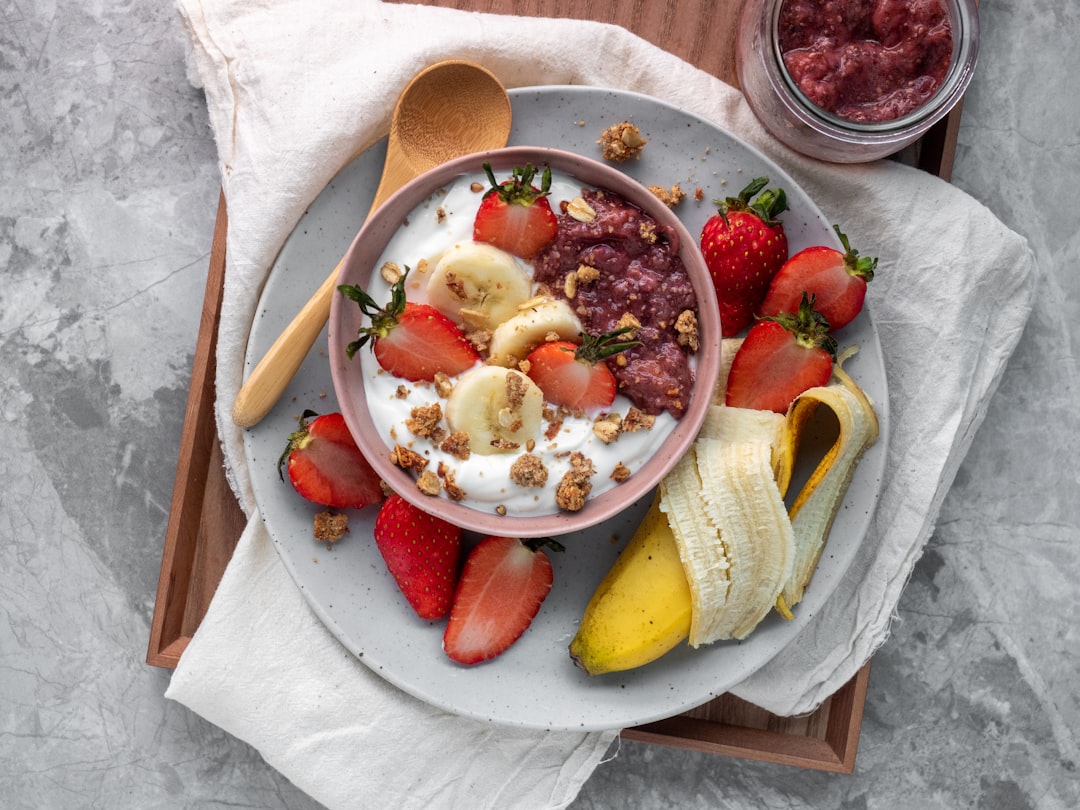
Greek yogurt is the single easiest path to 30g+ at breakfast without eggs. One cup is 17-20g before you touch anything else. From there:
- Stir in 1 scoop protein powder: +22g = 39-42g total
- Add 3 tablespoons of hemp seeds: +10g = 27-30g total
- Layer ½ cup cottage cheese on top: +14g = 31-34g total
The big thing people get wrong here: using flavored yogurt instead of plain Greek yogurt. Regular flavored yogurt has 5-7g of protein and can have 25g+ of sugar. Plain Greek yogurt (full-fat or 2%) has 17-20g of protein and almost no added sugar. They're completely different foods that happen to share a name.
The Cinnamon Protein Yogurt Bowl is where I land most mornings when I'm tired of the same thing. 38g protein, a scoop of protein powder stirred in, cinnamon and granola on top, diced apple on the side. It takes 5 minutes and tastes like you put effort in.
The Meat-for-Breakfast Tier
This is where some people get uncomfortable. Eating meat for breakfast feels strange if you grew up in a cereal household. But your body doesn't know what time it is — protein is protein, and meat is one of the most protein-dense options at any meal.
Ground turkey: Cook a pound on Sunday. In the morning, microwave 3 oz, add salsa, eat it over rice or in a wrap. 21g protein from the turkey alone. Fast, cheap, high-protein.
Deli turkey and cheese: 4 slices of deli turkey wrapped around 2 slices of cheese. 23g protein in 30 seconds. Add a cup of Greek yogurt on the side and you're at 40g total. It's not beautiful but it works.
Leftover chicken: Cold chicken breast over rice with hot sauce and a fried egg (wait, no eggs — over rice with avocado and soy sauce) is a legitimate 40g breakfast. It takes getting used to mentally, but it's one of the highest protein-to-calorie ratios available.
The Banana Protein Oat Smoothie also belongs here — not because it has meat, but because it shows how easy liquid protein can be. 36g protein: banana, milk, oats, peanut butter, protein powder blended together. 5 minutes. No eggs anywhere.
The Protein Powder Tier
Protein powder isn't a replacement for food — it's a seasoning. One scoop added to Greek yogurt, oatmeal, a smoothie, or even pancake batter is an easy 20-25g addition that changes the texture of the food less than you'd expect.
The most useful application at breakfast: stir a scoop into Greek yogurt before adding toppings. It dissolves into the yogurt and becomes invisible. The texture gets slightly creamier. The protein jumps by 20g. Add fruit and granola on top and nobody would know.
If you've been using protein powder and not enjoying it, you might have the wrong flavor or the wrong form. Whey blends into yogurt and milk better than casein. Vanilla works better than chocolate in most breakfast applications. Unflavored is underrated if you want the protein without changing the taste of your food at all.
The Hot Breakfast Problem
The one real tradeoff when you drop eggs: most high-protein egg-free breakfasts are cold. Yogurt, cottage cheese, overnight oats — cold. If hot breakfast is non-negotiable for you, your options are:
- Meat: Ground turkey or chicken sausage heated in 2 minutes
- Protein oatmeal: Rolled oats with protein powder stirred in while hot — genuinely warm and filling
- Microwave protein grits or rice: Leftover rice with a scoop of protein powder stirred in (sounds weird, works surprisingly well)
- Protein pancakes or waffles: More effort but solidly in the "hot egg-free breakfast" category
FAQ
Is Greek yogurt actually as effective as eggs for protein?
By the numbers, yes. 1 cup Greek yogurt (17-20g) is comparable to 3 eggs (18g). The amino acid profiles are slightly different — eggs are considered a "complete" protein with excellent bioavailability, and Greek yogurt is close behind. For practical breakfast purposes, they're interchangeable as protein sources.
I've tried cottage cheese and can't stand the texture. What should I do?
Blend it. Seriously — 30 seconds in a blender or with an immersion blender turns it completely smooth with no curds. The flavor stays mild and it becomes almost indistinguishable from a thick, savory yogurt. Most texture objections to cottage cheese disappear entirely with the blended version.
What's the easiest first step away from eggs?
Start with Greek yogurt + protein powder. It doesn't require any behavioral change beyond having different ingredients in the fridge. 37-45g protein, 2 minutes of effort, and you're not eating eggs. That's the simplest possible on-ramp.