
Most "healthy" breakfasts are carb bombs. A bowl of cereal? 5g protein. Two slices of toast with peanut butter? Maybe 10g. Even a protein granola bar is usually sitting at 7-8g. The bar is embarrassingly low, which is exactly why most people miss it without realizing.
30g of protein at breakfast is the target most sports nutrition research points to as the minimum meaningful dose for triggering muscle protein synthesis — your body actually using protein to build or maintain muscle — and keeping you genuinely full until lunch. You don't need to eat like you're cutting for a show. 30g is just the first step worth taking.
Here's exactly how to hit it.
Why 30g Is the Number
Your body needs a minimum amount of leucine — one of the essential amino acids — to meaningfully activate muscle protein synthesis. You need roughly 2.5-3g of leucine per meal to flip that switch. Getting there requires approximately 25-40g of complete protein from most whole food sources.
Below 30g, you're getting some signal. At 30g+, you're consistently clearing the threshold. The difference shows up in muscle retention (especially if you're in a calorie deficit) and in how long you stay full.
Most people eating 10-15g at breakfast are leaving both of those benefits on the table every single morning.
The 30g Math
Before strategy, here's the actual protein breakdown for the foods that matter at breakfast:
| Food | Serving | Protein |
|---|---|---|
| Plain Greek yogurt | 1 cup | 17–20g |
| Eggs | 3 large | 18g |
| Ground turkey (cooked) | 3 oz | 21g |
| Cottage cheese | ½ cup | 14g |
| Deli turkey | 3 slices | 12g |
| Protein powder | 1 scoop | 20–25g |
| Milk | 1 cup | 8g |
| Shredded cheddar | ¼ cup | 7g |
30g doesn't take much. Two high-protein ingredients and you're there. The problem isn't that it's hard — it's that most people build breakfast around one carb source and never add protein intention to the list.
Three Combos That Hit 30g Without Changing Everything
Combo 1: Greek Yogurt + One Booster
A cup of plain Greek yogurt is 17-20g before you add a single topping. That's already more than half the target. From there:
- Stir in half a scoop of protein powder: +10-12g = 30g total
- Add 3 tablespoons of hemp seeds: +10g = 27-30g total
- Layer cottage cheese (½ cup) on top: +14g = 31-34g total
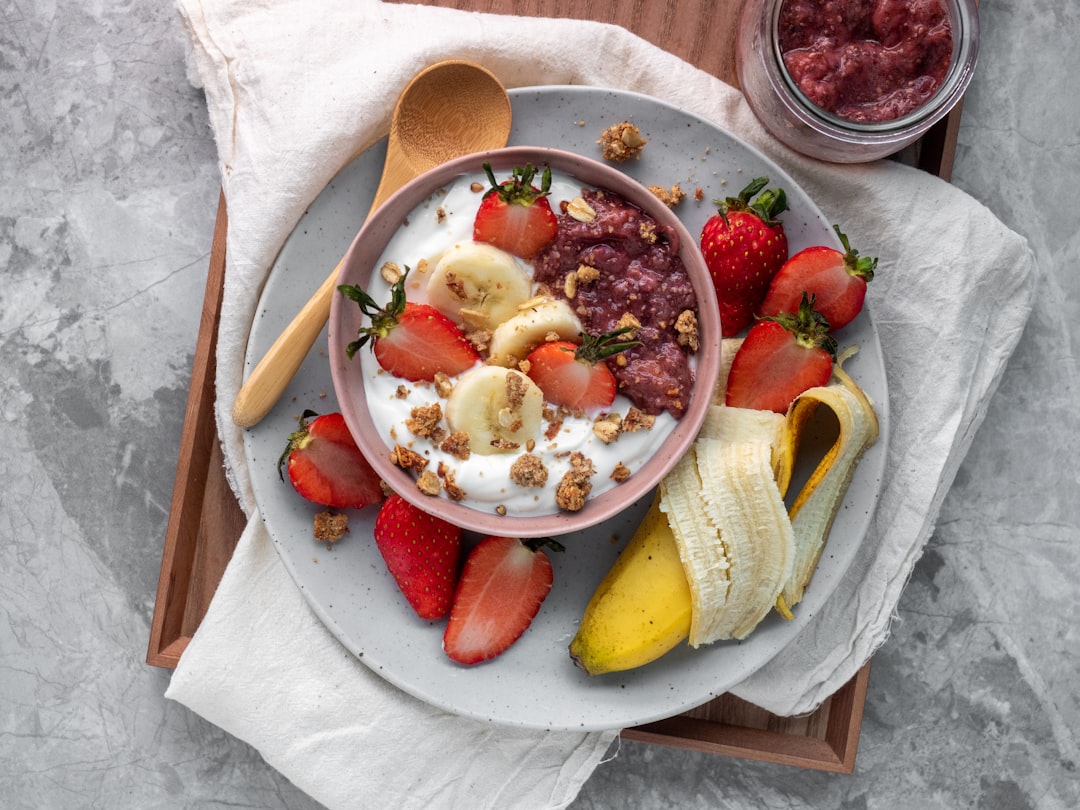
The Greek Yogurt & Berry Bowl is the simplest version — 32g protein, about 5 minutes of effort, and it tastes like something you'd actually want to eat every morning. Berries and granola on top make it feel like food, not a chore.

Combo 2: Eggs + One Sidekick
Three eggs is 18g of protein. Not enough on its own, but eggs plus one protein sidekick clears 30g easily:
- 3 eggs + 3 slices deli turkey: 18g + 12g = 30g
- 3 eggs + ¼ cup shredded cheese: 18g + 7g = 25g (close — add one more egg)
- 3 eggs + 3 oz ground turkey: 18g + 21g = 39g
The Scrambled Eggs & Turkey is built around this exact idea — 36g of protein in about 13 minutes. Ground turkey cooked with the eggs, cheese melted in, spinach stirred through. It's the fastest hot breakfast that clears 30g by a meaningful margin.
Combo 3: Protein Powder as a Multiplier
One scoop of protein powder is 20-25g of protein on its own. It's not a magic product — it's just concentrated protein from dairy or plants. Use it as a multiplier:
- Stirred into Greek yogurt: 17g + 22g = 39g
- Blended into a smoothie with milk: 8g + 22g = 30g
- Cooked into oatmeal: 5g + 22g = 27g (add milk to close the gap)
The Cinnamon Protein Yogurt Bowl uses this formula — Greek yogurt with protein powder stirred in, a little cinnamon and granola on top, diced apple on the side. It comes out to 38g of protein and it takes 5 minutes. It looks like you tried.
The Four Breakfast Traps That Keep You Under 15g
Trap 1: Stopping at two eggs Two eggs is 12g of protein. That feels substantial in the pan, but it's not a 30g breakfast. You need at least three eggs or a meaningful second protein source to move the needle.
Trap 2: Eating flavored yogurt instead of Greek yogurt Regular flavored yogurt can have 5-7g of protein per serving and 25g of sugar. Greek yogurt has 17-20g of protein and less sugar. They're not the same food. Read the label — if the protein isn't 15g+, it's not Greek yogurt in any meaningful sense.
Trap 3: Relying on protein bars as a substitute A protein bar at breakfast is a 7-10g protein delivery system. A few exceptions exist (Quest bars, Barebells) that hit 20g+, but they're still not comparable to actual food for volume and satiety. Count them as a supplement, not a replacement.
Trap 4: Treating breakfast as optional The longer you wait to eat protein after waking up, the more your body leans on muscle tissue for energy during fasting. "I'm not hungry in the morning" is a real phenomenon, but it's often habitual — your appetite clock adjusts. Even 1 cup of Greek yogurt (17g) eaten quickly is meaningfully better than nothing.
The Simplest Daily System
If you want a set-it-and-forget-it approach, keep two things stocked at all times: plain Greek yogurt and a tub of protein powder. Every morning, mix 1 cup yogurt + 1 scoop protein powder. That's 37-45g of protein before you add any toppings. Add berries, granola, honey, whatever makes it feel like a meal.
It takes 90 seconds. You never have to think about whether you hit 30g.
FAQ
Is 30g at breakfast actually meaningful, or is this overhyped?
The evidence is solid. Research on leucine thresholds consistently shows that 25-40g of dietary protein per meal is where the muscle-protein-synthesis response becomes meaningful. Below that, you get diminishing returns. 30g is a reliable threshold for most people.
What if I've been eating 10g at breakfast for years and felt fine?
You might not notice the difference immediately. The benefits — preserved muscle mass, better appetite control, better blood sugar stability through the morning — accumulate over time. Try 30g+ at breakfast consistently for two weeks and see how your 10am hunger compares.
Do I need to hit 30g every single day?
No. Total daily protein is what matters most. But consistently hitting 30g at breakfast makes reaching your daily target dramatically easier and removes one decision from your day. Think of it as a reliable baseline, not a daily rule you've failed if you miss it.