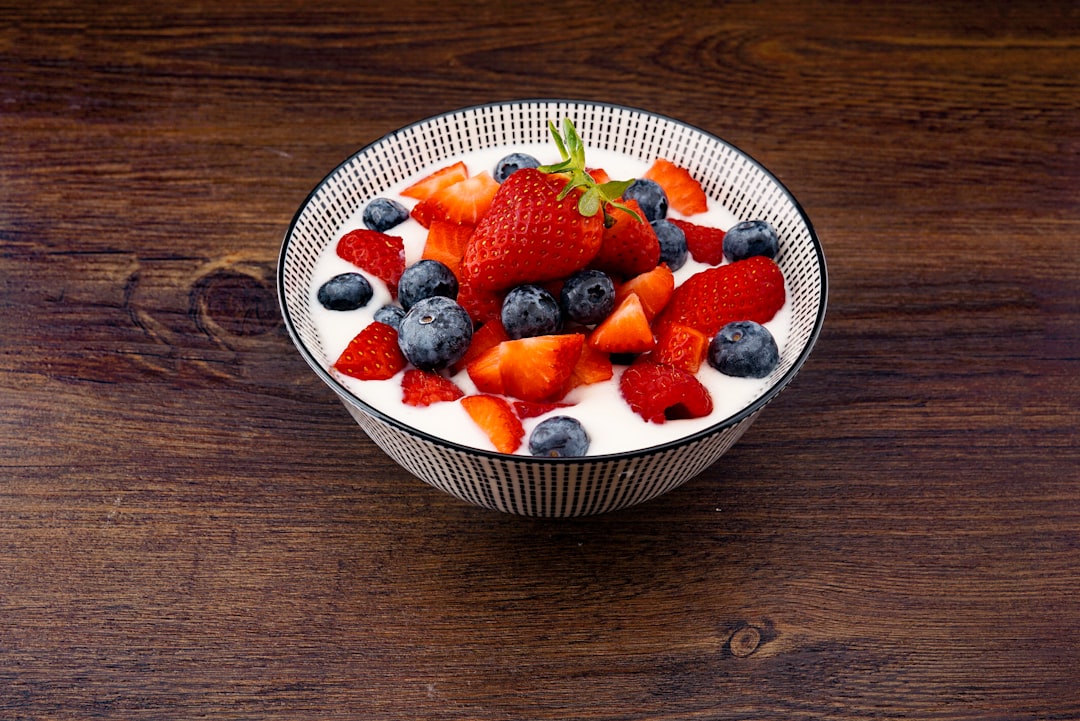
Most people eat breakfast and barely crack 15g of protein. Then they wonder why they're hungry by 10am and can't seem to make progress in the gym. This post is about fixing that — specifically, hitting 50g of protein before noon without drinking raw eggs or eating sad plain chicken breast.
50g sounds like a lot. Once you understand what you're building with, it's actually very doable on a normal morning.
Why Breakfast Protein Actually Matters
When you wake up, your body has been fasting for 7–9 hours. Muscle protein synthesis — the process your body uses to build and maintain muscle — slows significantly overnight. To kick it back into gear, you need dietary protein, specifically enough leucine to trigger a meaningful anabolic response.
Research consistently shows that 40g+ of protein at breakfast produces a stronger muscle-building signal than spreading the same amount in smaller doses across more meals. Breakfast isn't just about not being hungry — it might be the most important protein opportunity of your day.
The other reason to front-load protein: satiety. High protein breakfasts suppress ghrelin (your hunger hormone) for hours. If you're fighting cravings by mid-morning and raiding the snack cabinet, a 15g breakfast is almost certainly part of the problem.
The Building Blocks: What Actually Has Protein
Before we get into formulas, here's what you're working with. These are the protein workhorses of any solid breakfast:
Animal proteins (per typical serving):
- Eggs (3 large): 18g protein
- Greek yogurt (1 cup, plain): 17–20g protein
- Ground turkey (3 oz cooked): 21g protein
- Deli turkey (3 slices): 12g protein
- Cottage cheese (½ cup): 14g protein
- Turkey sausage (2 links): 14g protein
Add-ons that meaningfully boost the total:
- Protein powder (1 scoop): 20–25g
- Shredded cheddar (¼ cup): 7g
- Whole milk (1 cup): 8g
- Hemp seeds (3 tbsp): 10g
The key insight here: no single "normal" breakfast food gets you to 50g alone. You need to deliberately layer 2–3 protein sources. Once you start thinking in combinations instead of individual ingredients, 50g becomes a system — not a challenge.
Three Formulas That Hit 50g
Formula 1: The Egg + Turkey Stack
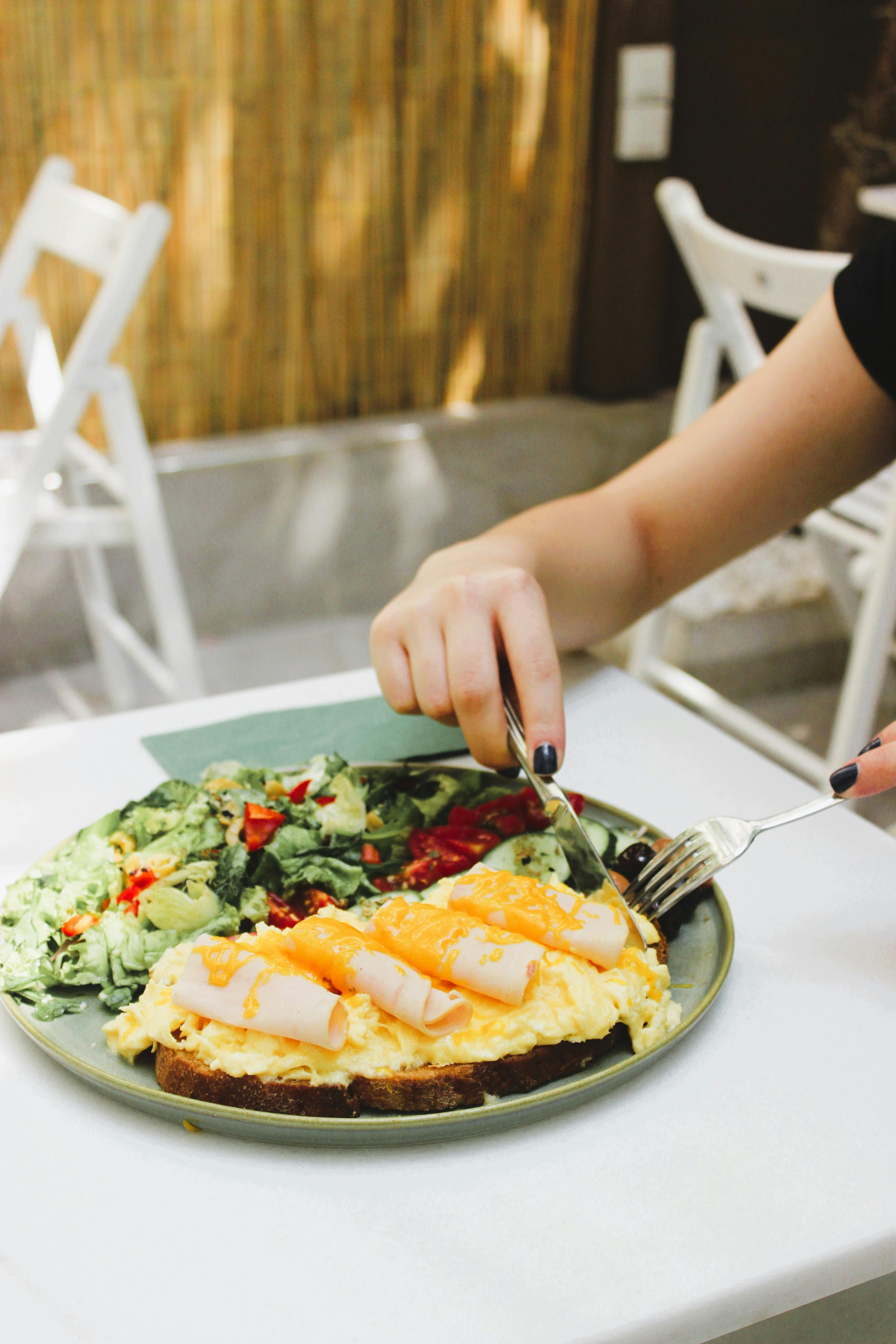
The most straightforward route. Three scrambled eggs (18g) plus 3 oz of cooked ground turkey (21g) plus a quarter cup of shredded cheese (7g) gets you to 46g before you touch anything else. Add two slices of deli turkey on the side and you're at 58g.
The Scrambled Eggs & Turkey recipe on this site is built around this exact formula. It comes in at 36g per serving — to push it to 50g, add another egg and an extra ounce of turkey. Takes the same amount of time and barely changes the recipe.
This formula works especially well for people who meal prep. Cook a pound of ground turkey on Sunday, portion it into 3 oz servings, and your 50g breakfast assembly time is under 5 minutes every morning.
Formula 2: The Greek Yogurt Power Bowl
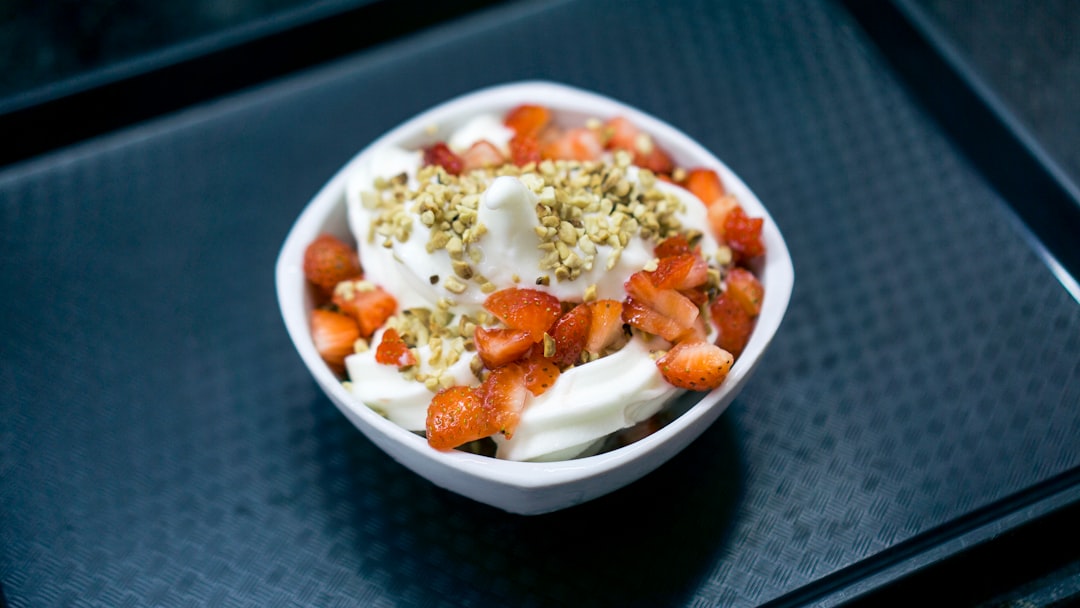
Greek yogurt is one of the most underrated protein sources on the planet. A cup of plain full-fat gives you 17–20g, and it's completely passive — scoop it in a bowl and you're already a third of the way there.
Layer in a scoop of protein powder mixed directly into the yogurt (another 20–25g) before you add your toppings, and you're at 40–45g without cooking anything. A tablespoon of hemp seeds brings it to 50g+.
The Greek Yogurt & Berry Bowl is a great base to build from. The version on this site hits 32g — to get to 50g, stir a scoop of vanilla protein powder into the yogurt before topping it. The texture actually gets creamier and the flavor barely changes.
Formula 3: The Cottage Cheese Base
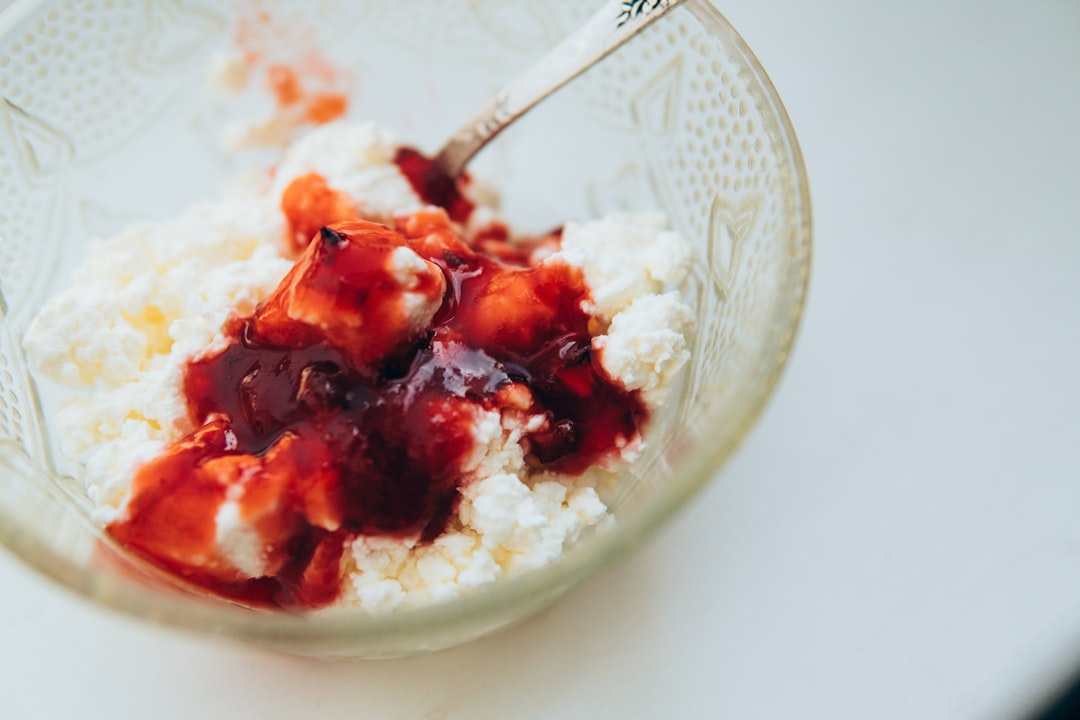
Cottage cheese is having a well-deserved comeback. Half a cup gives you 14g protein with almost no carbs and a mild flavor that works both savory and sweet.
Savory version: ½ cup cottage cheese + 3 scrambled eggs + 2 turkey sausage links = ~52g protein, roughly 440 calories. Season the eggs with salt, black pepper, and garlic powder and it's legitimately good.
Sweet version: 1 cup cottage cheese + 1 scoop vanilla protein powder + ½ cup berries + 1 tbsp almond butter = ~50g protein. Blend it smooth if you prefer a different texture. It tastes like dessert and takes 90 seconds to make.
Common Mistakes That Kill Your Breakfast Protein
Mistake 1: Relying on a single protein source. A bowl of Greek yogurt is 17g. That's a good snack, not a 50g breakfast. You need to layer intentionally.
Mistake 2: Underestimating how few eggs you're eating. Two eggs is only 12g. Three eggs gets you to 18g. A lot of people think their "egg breakfast" is high protein — then check the math and realize they're at 15g total. You need either 4–5 eggs or a significant secondary protein source.
Mistake 3: Overcomplicating the prep. The best high-protein breakfast is the one you'll actually make under time pressure. Batch cook your meat source Sunday night. Keep Greek yogurt and cottage cheese stocked. Design for 5-minute assembly, not 25-minute cooking sessions.
Mistake 4: Skipping breakfast because you're not hungry. Morning appetite is partly habitual. If you consistently can't stomach food early, a liquid option works just as well: a protein shake made with 1 cup milk (8g) plus 2 scoops protein powder (40–50g) gets you to 48–58g without eating a full meal. Add a cup of Greek yogurt on the side if you need the extra push.
Quick Reference: 50g Combos That Work
| Combo | Approx. Protein |
|---|---|
| 3 eggs + 3oz ground turkey + ¼ cup cheese | ~47g |
| 1 cup Greek yogurt + 1 scoop protein powder + 3 tbsp hemp seeds | ~52g |
| ½ cup cottage cheese + 3 eggs + 2 turkey sausage links | ~52g |
| 1 cup milk protein shake (2 scoops) + 1 cup Greek yogurt | ~57g |
| 4 eggs scrambled + 3 slices deli turkey + ¼ cup cottage cheese | ~50g |
FAQ
Do I need to hit exactly 50g?
No. 50g is a useful target, not a law. What matters is total daily protein (aim for 0.7–1g per pound of bodyweight) and not letting breakfast be a throwaway 10g meal. Consistently hitting 35–40g at breakfast puts you in a great position for the rest of the day.
Won't all that protein at once be wasted?
This is a myth that won't die. Your body doesn't "waste" protein past a 30g ceiling — that claim was based on flawed early research and has been substantially revised. High protein meals slow gastric emptying and your body processes what it needs over a longer window. You're fine.
What if I don't have time to cook?
Batch cook once a week. Ground turkey, turkey sausage, and hard boiled eggs all keep well for 4–5 days in the fridge. Combine those with Greek yogurt and cottage cheese — which require zero cooking — and most of your 50g breakfast options become grab-and-assemble, not cook-from-scratch.
Is this approach good for weight loss too?
Yes. High protein eating is one of the most evidence-backed strategies for fat loss specifically because it preserves muscle while you're in a calorie deficit. The satiety benefit also makes it easier to stay in that deficit without feeling miserable. A 50g protein breakfast at 400–500 calories leaves you full, fueled, and on track.