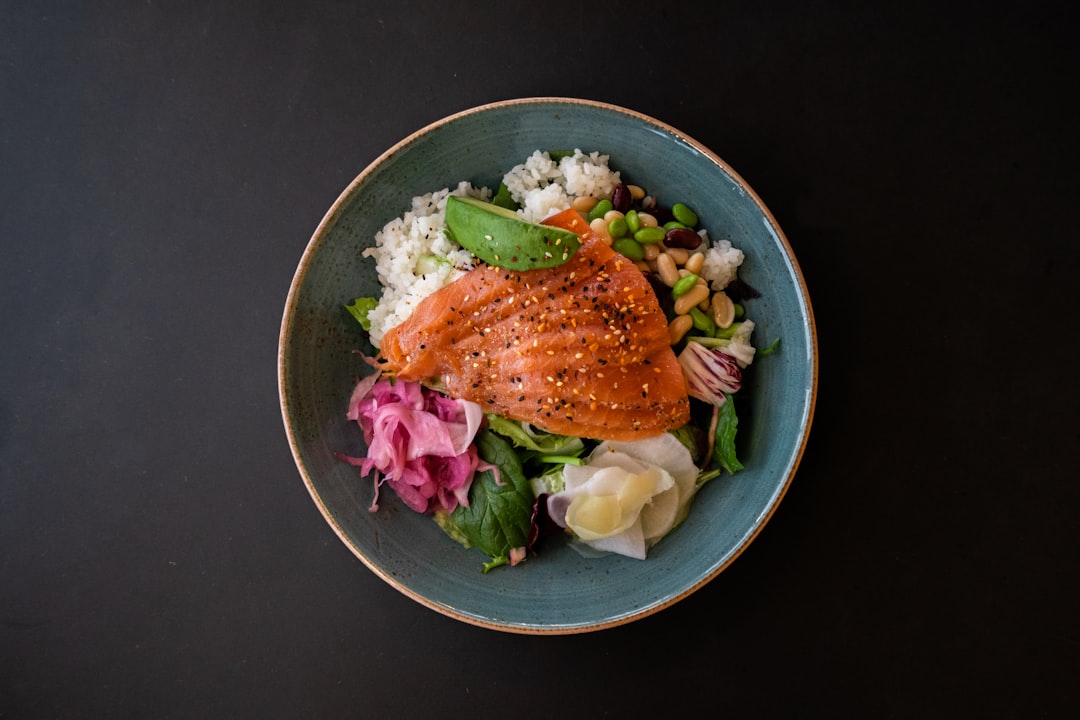
Salmon is the one protein that people in every corner of the nutrition world agree on. Athletes eat it for the amino acids. Heart patients eat it for the EPA and DHA. Anyone watching body composition eats it because 6 oz of salmon gives you 42-44g of protein alongside 3-4g of omega-3 fatty acids that play a direct role in muscle protein synthesis and inflammation recovery.
It also tastes better than chicken breast. That's a fact, not an opinion.
The Nutritional Argument for Eating More Salmon
Chicken breast wins on protein-per-calorie. Salmon wins on nearly everything else.
Per 6 oz cooked salmon:
- Protein: ~42g
- Omega-3 fatty acids: 3.5-4g (EPA + DHA combined)
- Vitamin D: 700 IU — the highest natural food source
- Selenium: 80mcg — 145% of daily value (thyroid function, antioxidant defense)
- B12: 4.8mcg — 200% of daily value
- Potassium: 900mg — more than a banana
The omega-3s are the specific differentiator. EPA and DHA are the active fatty acids involved in reducing exercise-induced muscle soreness, improving training recovery, and reducing systemic inflammation — effects that plant omega-3s (ALA from flaxseed and walnuts) don't replicate because humans can't efficiently convert ALA to EPA/DHA. The only reliable dietary source for these specific fatty acids is fatty fish.
That doesn't mean you need to eat salmon daily. Twice a week provides the research-backed benefit levels. And with the recipes below, twice a week feels like an easy default rather than a health obligation.
The Classic: Baked Salmon and Sweet Potato
The sheet pan method is the reason beginners should start with salmon and not chicken breast. You can't overcook a salmon fillet by 3-4 minutes and turn it into cardboard the way you can with chicken. Salmon stays moist past its ideal temperature because the fat distribution throughout the flesh continues basting the protein from the inside as heat penetrates.
The Baked Salmon & Sweet Potato is 490 calories and 40g protein. Two salmon fillets and sweet potato wedges, olive oil, garlic powder, salt, pepper, 400°F, 20-22 minutes. That's the entire recipe.
The doneness test for beginners: press the thickest part of the fillet with a fork. If it flakes apart into separate layers, it's done. If it springs back and feels firm, give it 3 more minutes. You don't need a thermometer (though 145°F internal is the official standard).
The Air Fryer Method: Fastest Salmon Prep
The air fryer is the salmon cooking method for people who don't have time to babysit an oven. The forced hot air circulation gives you a crispy exterior and tender interior in 10-12 minutes at 400°F — versus 20-22 minutes in a conventional oven.
The Air Fryer Salmon Bowl is 540 calories and 38g protein — crispy-skinned salmon over rice with cucumber, avocado, and a sesame soy sauce. The air fryer's ability to crisp the skin without added oil is the practical advantage here. Salmon skin cooked in an air fryer has a texture close to salmon skin at a restaurant; salmon skin from a conventional oven without a high broil never quite gets there.
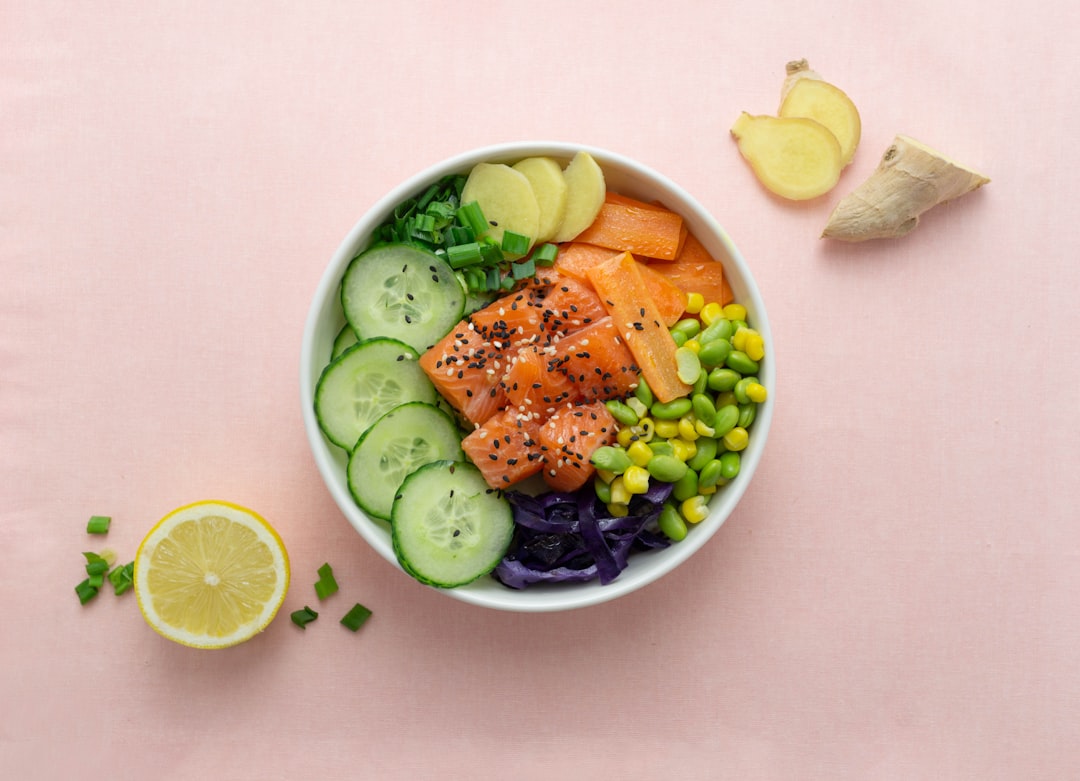
Air fryer salmon settings: 400°F, skin side down, no flipping required. 10-12 minutes for a 1-inch thick fillet, 12-14 minutes for thicker. The no-flip rule applies because the air circulation cooks all sides simultaneously. Season with garlic powder, smoked paprika, and salt before cooking; add a squeeze of lemon after.
Storage note: air-fried salmon does not reheat well — the skin loses its crispness and the flesh can go rubbery. Cook air fryer salmon fresh, day-of. For meal prep, use the baked or teriyaki methods below.
The Teriyaki Salmon: Best for Meal Prep
Salmon in sauce is the meal-prep format that actually works. Like braised beef, the sauce coating prevents moisture loss during refrigerator storage — teriyaki salmon reheats on day 3 or 4 with minimal quality loss.
The Teriyaki Salmon Bowl is 520 calories and 42g protein — glazed teriyaki salmon over brown rice with steamed broccoli. The teriyaki glaze is the key: the sugar in teriyaki sauce caramelizes on the salmon surface during cooking, forming a sticky layer that seals moisture in during storage.
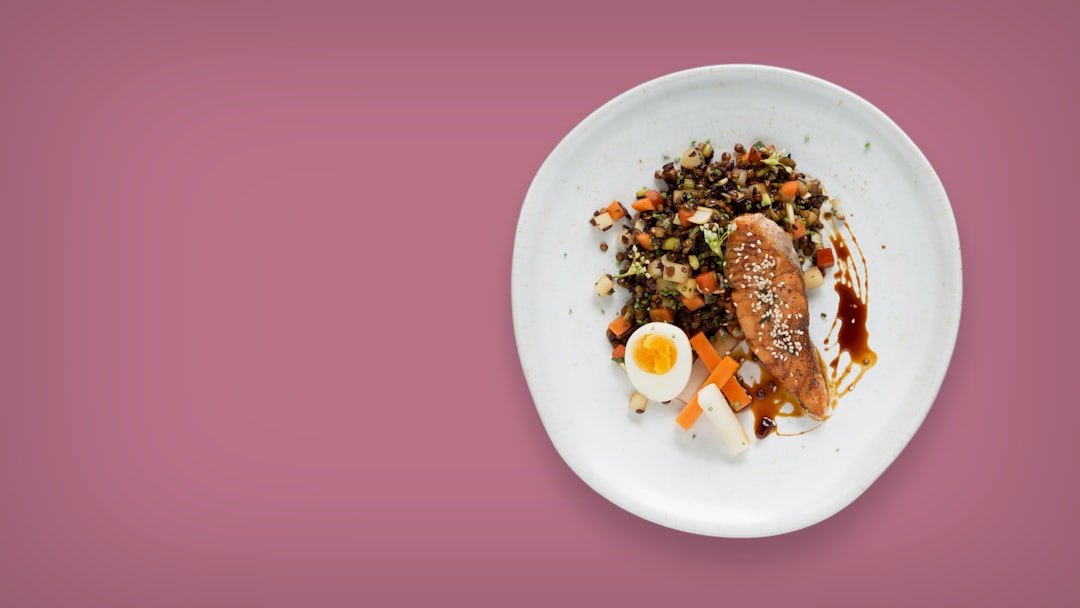
Quick teriyaki glaze: 3 tablespoons soy sauce + 1 tablespoon honey + 1 teaspoon sesame oil + 1 teaspoon rice vinegar + 1 minced garlic clove. Mix. Brush on raw fillets, let sit 10 minutes, cook skin-side down in a medium-high pan for 4-5 minutes, flip, add remaining glaze to the pan, cook 3-4 more minutes until the glaze thickens and coats. Don't make this with store-bought teriyaki sauce — the real stuff has half the ingredients and twice the flavor.
The Salmon Bowl Format: Best Macros Per Meal
The bowl format with salmon and a legume base gives you the best amino acid diversity of any single meal. Salmon provides the EPA-heavy, fat-soluble protein profile. Legumes (edamame, chickpeas) provide complementary amino acid sequences and additional protein from plant sources. Brown rice adds slow-digesting carbohydrates.
The quinoa bowl is the classic version. Quinoa contributes 8g protein per cup cooked, adds a complete amino acid profile of its own, and pairs with salmon's richness better than plain white rice because the slight bitterness of quinoa balances the salmon's fat.
The Salmon Quinoa Bowl is 510 calories and 44g protein — salmon over quinoa with cucumber, cherry tomatoes, and a lemon tahini dressing. The 44g protein total comes from salmon (~34g), quinoa (~8g), and the tahini (2g). The bowl is the format where all three protein sources contribute meaningfully to the total.
Salmon Macros vs. Other Fish
Not all fish are created equal for protein and omega-3 content:
| Fish | Calories per 6 oz | Protein | Omega-3s |
|---|---|---|---|
| Wild salmon | ~350 | 42g | 3.5g |
| Farmed salmon | ~400 | 40g | 4.0g |
| Tuna (canned) | ~200 | 40g | 0.7g |
| Shrimp | ~200 | 36g | 0.4g |
| Cod/tilapia | ~190 | 36g | 0.3g |
| Sardines | ~330 | 38g | 3.3g |
Farmed salmon has slightly more omega-3s than wild because the feed pellets used in farming are often enriched. Wild salmon has different nutritional characteristics (often more minerals, cleaner flavor). Both are excellent; the distinction matters less than just eating either regularly.
FAQ
Fresh versus frozen salmon — is there a real difference?
For home cooking, frozen salmon is often equal or better quality than "fresh" from a grocery counter. Most "fresh" salmon in supermarkets was previously frozen and thawed for display. True fresh salmon requires living near a port city and buying from a fish counter with daily delivery. Frozen salmon (especially wild Alaskan sockeye or Atlantic farmed) is flash-frozen on the boat at peak quality — thaw overnight in the fridge for best results.
Is salmon safe to eat a few times per week given mercury concerns?
Yes. Mercury concerns apply primarily to large predatory fish (shark, swordfish, king mackerel, tilefish). Salmon is a short-lived species that accumulates far less mercury than those larger fish — the FDA and EPA recommend salmon as safe for most adults even at higher consumption frequency. The omega-3 benefits significantly outweigh the minimal mercury risk at 2-3 servings per week.
The salmon at my grocery store smells fishy. Is it bad?
Fresh or properly handled frozen salmon should smell faintly of the ocean — mild and clean. A strong "fishy" smell means the fish is beginning to degrade and should not be cooked. When buying fresh salmon, ask to smell it before purchasing if possible. For frozen, check that the packaging is sealed and there's no ice crystal buildup inside the bag (which indicates repeated freeze-thaw cycles). When in doubt, don't cook it.