Most "healthy" breakfasts fail at weight loss for one of two reasons. Either they're low-calorie but low-protein too — and you're raiding the pantry by 10am — or they're high-protein but also high-calorie, which works great for muscle building but makes hitting a calorie deficit harder than it needs to be.
The goal is the third option: high protein, lower calorie, high volume. Food that physically fills you up, keeps hunger hormones suppressed, and doesn't quietly eat your calorie budget before lunch.
The Metric That Actually Matters: Protein Per Calorie
Instead of just counting calories or just counting protein, think about the ratio between them. Here's a simple way to calculate it:
Protein grams ÷ calories × 100 = protein efficiency score
The higher the score, the more protein you're getting per calorie — which is what you want when you're trying to maintain muscle while eating less.
| Breakfast | Calories | Protein | Score |
|---|---|---|---|
| Egg white omelette | 280 | 30g | 10.7 |
| Cottage cheese & fruit | 310 | 28g | 9.0 |
| Greek yogurt & berry bowl | 340 | 32g | 9.4 |
| Scrambled eggs & turkey | 380 | 36g | 9.5 |
| Avocado egg toast (2 eggs) | 420 | 20g | 4.8 |
| Oatmeal with milk | 350 | 12g | 3.4 |
| Granola with milk | 420 | 9g | 2.1 |
| Bagel with cream cheese | 480 | 9g | 1.9 |
Notice that avocado toast — often positioned as the ultimate healthy breakfast — scores worse than most protein-forward options. Avocado is healthy food. But it's calorie-dense (one avocado is 230 calories), and two eggs only adds 12g of protein, which means you're eating 420+ calories for 20g of protein before the bread counts. The math doesn't hold up for weight loss.
The Top Three Breakfasts for Weight Loss
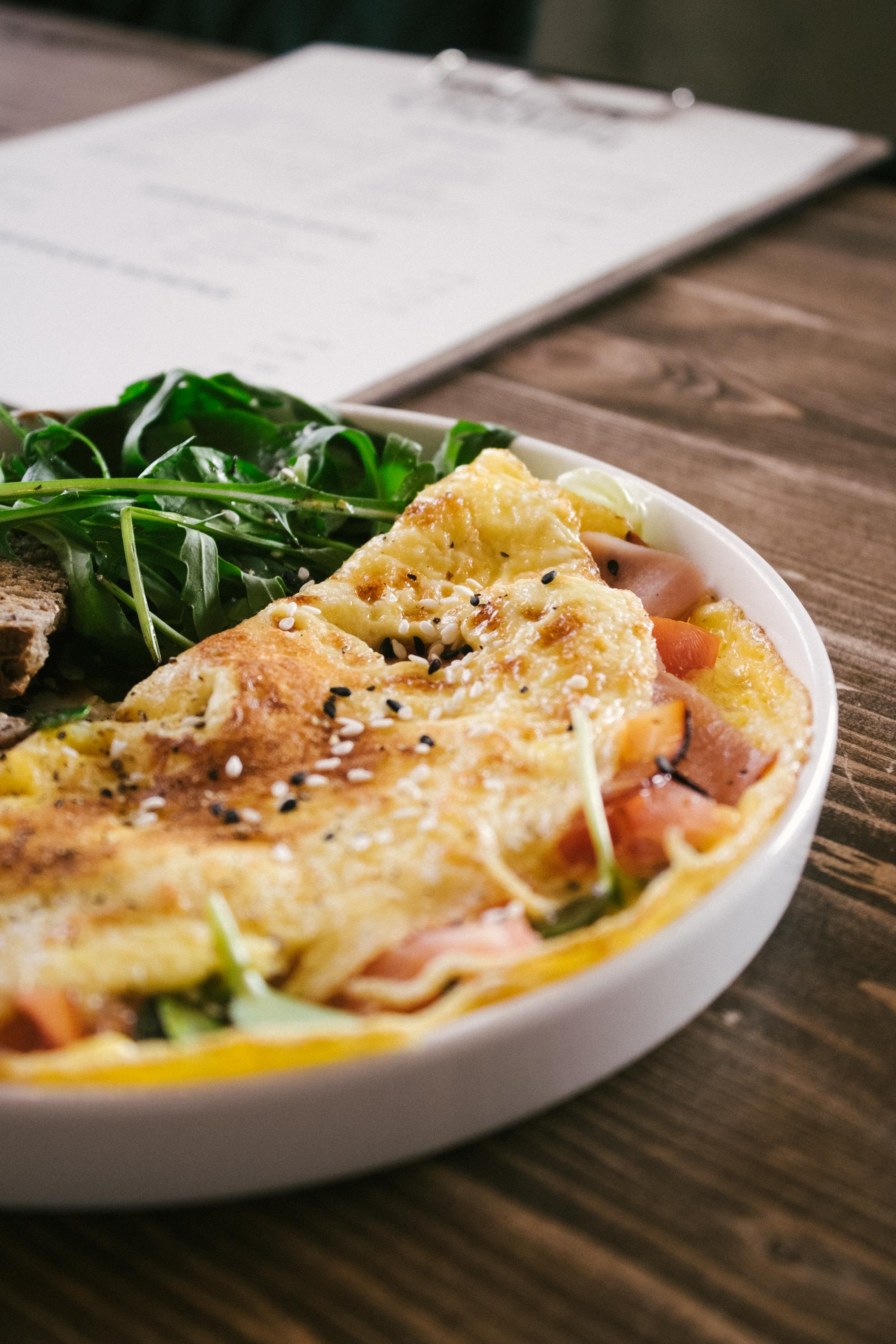
1. Egg White Omelette — 280 cal, 30g protein
The highest protein efficiency on this list. Egg whites are almost entirely protein — 11g per 3 whites — with almost no fat or carbohydrates. Filling an omelette with mushrooms, bell peppers, and spinach adds serious volume with almost zero extra calories.
The Egg White Omelette on this site hits exactly 280 calories and 30g of protein. It takes a little attention at the stove to cook without browning the edges, but the result is a genuinely large, filling breakfast that keeps you satisfied until noon without putting a dent in your calorie budget.
The one downside: egg whites alone are less satisfying to eat than whole eggs, which have fat that slows digestion. A few drops of hot sauce or some salsa on top help a lot.
2. Greek Yogurt & Berry Bowl — 340 cal, 32g protein
High protein, high volume, no cooking. The berries add fiber and water content, which slows digestion and extends how long you feel full beyond what the protein alone would do. Greek yogurt has natural appetite-suppressing properties — the protein density affects ghrelin (your hunger hormone) more effectively than carbohydrate-based breakfasts.
The Greek Yogurt & Berry Bowl at 340 calories and 32g of protein is one of the most efficient breakfasts you can eat for weight loss. It tastes like something you'd order at a brunch spot. It takes 5 minutes and costs about $2.
The key: plain Greek yogurt, not flavored. Flavored yogurt is a trap — it can have 25g of sugar and half the protein of plain. Read the label.
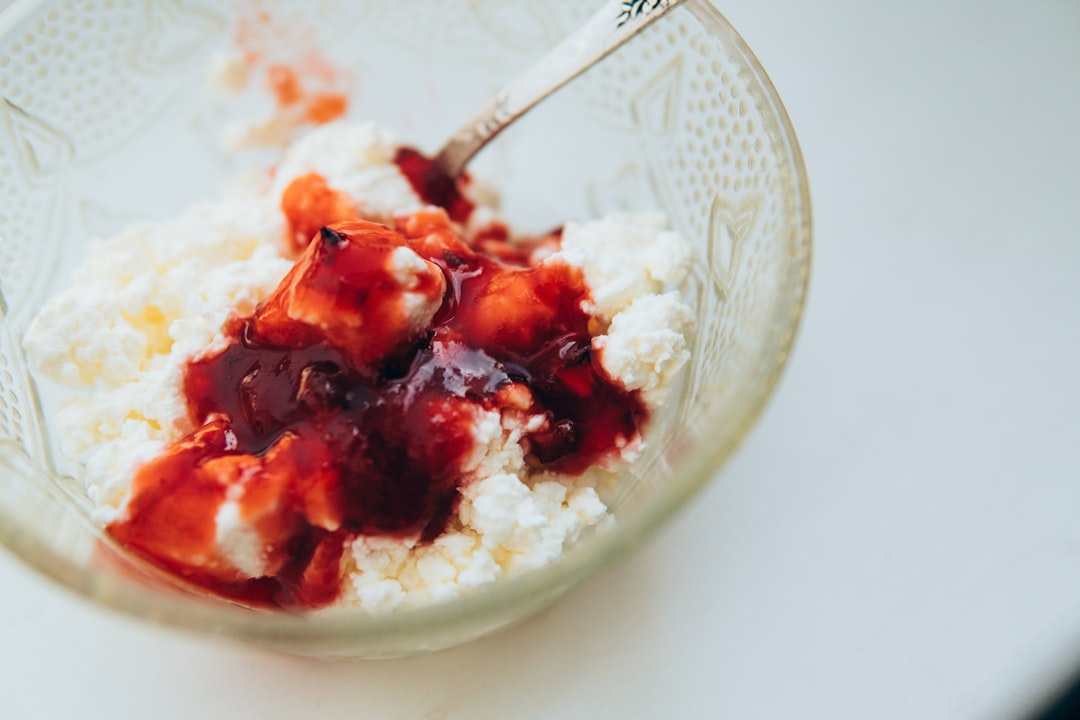
3. Cottage Cheese & Fruit — 310 cal, 28g protein
Cottage cheese is high in casein protein, which digests more slowly than whey or egg protein. That slower digestion translates to extended fullness — you're not hungry again in two hours like you might be after a carbohydrate-heavy breakfast.
Half a cup of cottage cheese at 14g protein costs almost nothing and pairs with any fruit without blowing the calorie count. The Cottage Cheese & Fruit at 310 calories and 28g of protein is a genuinely sweet, satisfying breakfast that requires zero cooking.
The Volume Eating Add-Ons
Beyond the main protein source, the other lever for weight loss at breakfast is volume — foods that physically take up space in your stomach without contributing many calories.
Add these freely to any of the above:
- Baby spinach (2 cups): 14 calories, 2g protein
- Cucumber (1 cup sliced): 16 calories
- Strawberries (1 cup): 50 calories, 1g protein
- Mushrooms (1 cup raw): 22 calories, 3g protein
- Black coffee: 5 calories, suppresses appetite
A large bowl of Greek yogurt with 2 cups of strawberries and some granola feels like a much bigger meal than the same yogurt in a small cup. Volume matters even when calories are identical. Use big bowls.
What to Avoid
Fruit juice Fresh-squeezed OJ is 110 calories with 1g of protein. It removes the fiber from the fruit (which adds satiety and slows absorption) and concentrates the sugar. Eat the orange. Drink water.
Flavored yogurt Addressed above, but worth repeating: regular Yoplait-style yogurt can have 5-6g protein and 26g sugar. It's essentially sweetened dairy. Not a weight loss breakfast.
"Healthy" granola Most granola is 200-300 calories per half cup — that's a small portion — with 4-5g of protein. It's primarily oats and sugar pressed together. Use it as a topping in small amounts to add texture, not as the main event.
Smoothies from cafes A medium smoothie from most chains is 350-500 calories with 5-8g of protein. You can make a better smoothie at home in 4 minutes for a third of the price.
A Simple Rule for Building Your Own
Start with a high-protein base (Greek yogurt, egg whites, or cottage cheese). Add one volume ingredient (berries, cucumber, spinach). Add one small flavor ingredient (granola, honey, hot sauce) in measured amounts. That's the template.
If your breakfast is following that structure, you're almost certainly eating in a way that supports weight loss without suffering through tasteless food.
FAQ
Do I need to count calories for this to work?
Not necessarily. If you consistently eat high-protein, high-volume breakfasts and avoid processed carb-heavy options, the calorie math often takes care of itself. Protein suppresses appetite hormones more effectively than carbs or fat, which tends to reduce overall intake without active counting.
Should I skip breakfast and do intermittent fasting instead?
Depends on the person. Some people do better skipping breakfast and eating from noon-8pm. Others overeat at lunch and dinner if they skip, which cancels the benefit. The research on which approach is better for weight loss is genuinely mixed. Eat breakfast if it helps you stay controlled during the rest of the day. Skip it if you're truly not hungry and can manage the rest of your meals well.
Is it okay to eat the same breakfast every day?
Absolutely. Breakfast monotony is often a feature of successful weight loss — fewer decisions, a consistent calorie baseline, and less opportunity to stray. Find something that hits 28-35g of protein under 400 calories and that you actually enjoy. Eat it most days. Save variety for lunch and dinner.