Greek yogurt has one entry in most people's mental recipe index: eat a cup of it as a snack. That's fine. But it's leaving about 90% of the ingredient's usefulness on the table.
Here's the thing about Greek yogurt: it has a neutral, slightly tangy flavor that makes it one of the most versatile dairy proteins available. It replaces sour cream, thickens sauces, creates creamy dressings, enriches baked goods, and forms the base of some of the highest-protein "desserts" you can eat without feeling like you're depriving yourself. If you only keep one thing in your fridge specifically for protein reasons, Greek yogurt might be the one.
The Macro Profile That Justifies All Of This
Plain non-fat Greek yogurt, 1 cup (227g):
- Protein: 22-24g
- Calories: 130-145
- Carbohydrates: 9g (almost all from lactose)
- Fat: 0-1g
- Calcium: 250mg (25% DV)
The protein density is the story: 22-24g of protein in 130 calories gives you a protein efficiency score of about 17 — significantly higher than eggs (score ~9), chicken breast (score ~10), or Greek yogurt's cousin cottage cheese (score ~9 per 100g). On a pure calories-to-protein efficiency basis, non-fat Greek yogurt is near the top of any food list.
The reason it's not the star of every gym nutrition plan is that the taste of plain Greek yogurt doesn't appeal to everyone and it takes some creativity to incorporate beyond the spoon-and-eat method. That creativity is what this post is for.
The Bowl Tier: Highest Protein Breakfast for the Least Effort
The bowl approach is where Greek yogurt performs most reliably. A protein-rich bowl topper (berries, granola, nuts) over a thick base of Greek yogurt gives you 26-38g protein with essentially no cooking.
The Cinnamon Protein Yogurt Bowl is 350 calories and 38g protein — the highest-protein yogurt bowl in the lineup. The secret is layering two yogurt-adjacent proteins: Greek yogurt as the base, a scoop of protein powder mixed in, topped with cinnamon granola, banana, and honey. The protein powder fully dissolves into the yogurt (it doesn't taste chalky when mixed cold this way) and brings the total to 38g without any cooking at all.
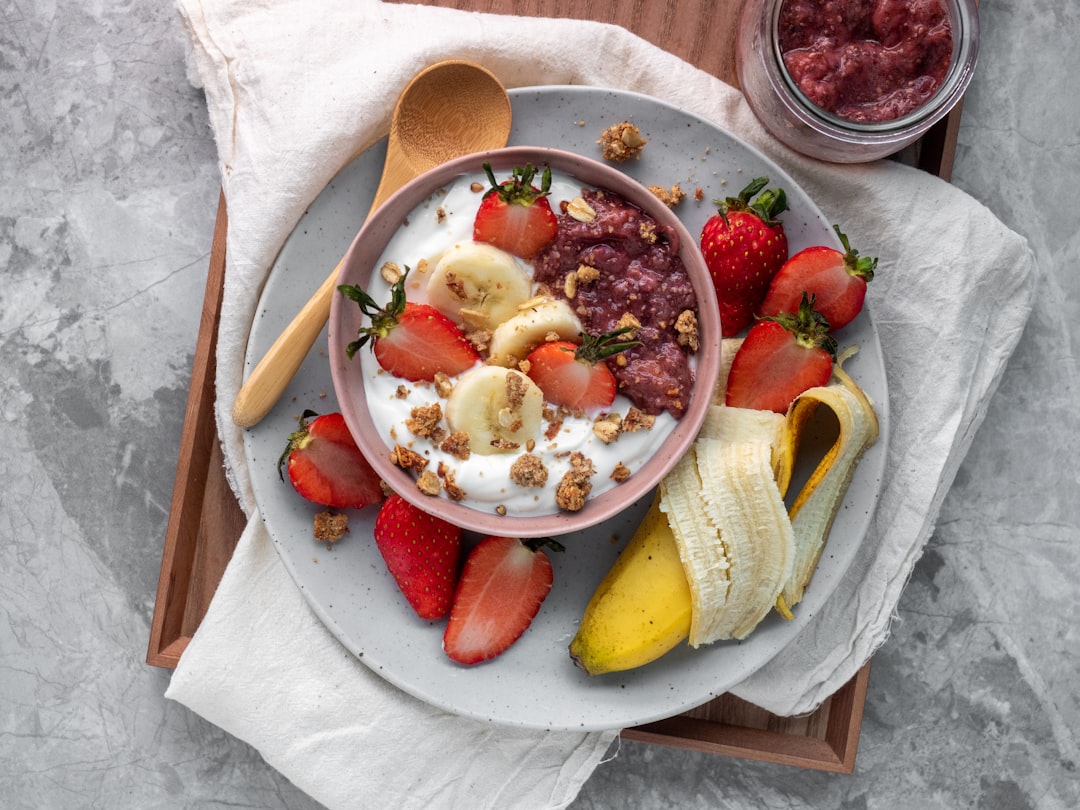
The technique for mixing protein powder into yogurt: add the powder first, then stir vigorously with a fork for 20-30 seconds before adding toppings. If you add the powder on top and try to fold it in gently, you get clumps. Fork + vigorous = smooth, consistent texture.
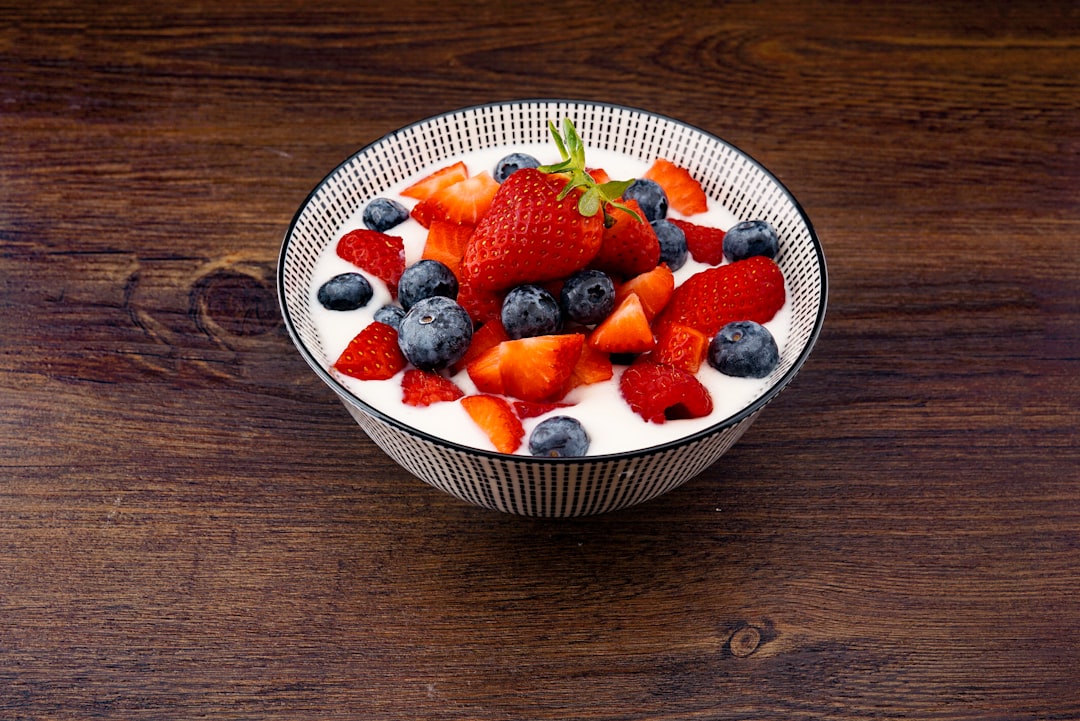
The Greek Yogurt Berry Bowl is the no-powder version at 340 calories and 32g protein — layered yogurt, mixed berries, granola, and a drizzle of honey. Simple, requires zero prep, tastes genuinely good, and outperforms most breakfast options on the protein-to-effort ratio.
The Sauce Replacement Tier: Where Greek Yogurt Does Secret Work
Greek yogurt's tanginess is nearly identical to sour cream — they're both fermented dairy products with similar acid content. This makes Greek yogurt a transparent 1:1 substitution in any recipe that calls for sour cream, and a significant protein upgrade.
By the numbers: sour cream has 1g protein per 2 tablespoons. Greek yogurt has 3-4g protein per 2 tablespoons. If you use ¼ cup in a sauce, recipe, or dip:
- Sour cream: 2g protein, 120 calories
- Greek yogurt: 7-8g protein, 35 calories
That's a 6g protein bonus and 85 fewer calories for a flavor change that most people can't detect in finished dishes.
Where to make this swap:
- Taco topping (most obvious, most impactful)
- Tzatziki sauce for chicken and bowls
- Burger sauce (Greek yogurt + dijon + garlic powder + hot sauce)
- Potato salad (replaces half the mayo)
- Ranch dressing (Greek yogurt + dill + garlic + lemon + a splash of milk to thin)
- Creamy pasta sauces (add off heat — Greek yogurt curdles if boiled)
The one rule: never boil Greek yogurt in a hot sauce. The heat causes the proteins to seize and the yogurt breaks, turning grainy. Add it off heat, stir in at the end, and let the residual heat of the dish warm it through.
The Chia Pudding Tier: Overnight Prep, Zero Morning Effort
Chia pudding built on a Greek yogurt base is not the same as chia pudding built on almond milk or coconut milk. The Greek yogurt version has 34g protein instead of 10g, and a thicker, creamier texture because the yogurt provides a richer base than any nut milk.
The Protein Chia Pudding is 390 calories and 34g protein — Greek yogurt base with chia seeds, a scoop of protein powder, topped with berries and granola. Prep takes 5 minutes the night before: mix everything, refrigerate overnight, eat in the morning. The chia seeds expand into the yogurt while you sleep, creating a thick pudding texture by morning.
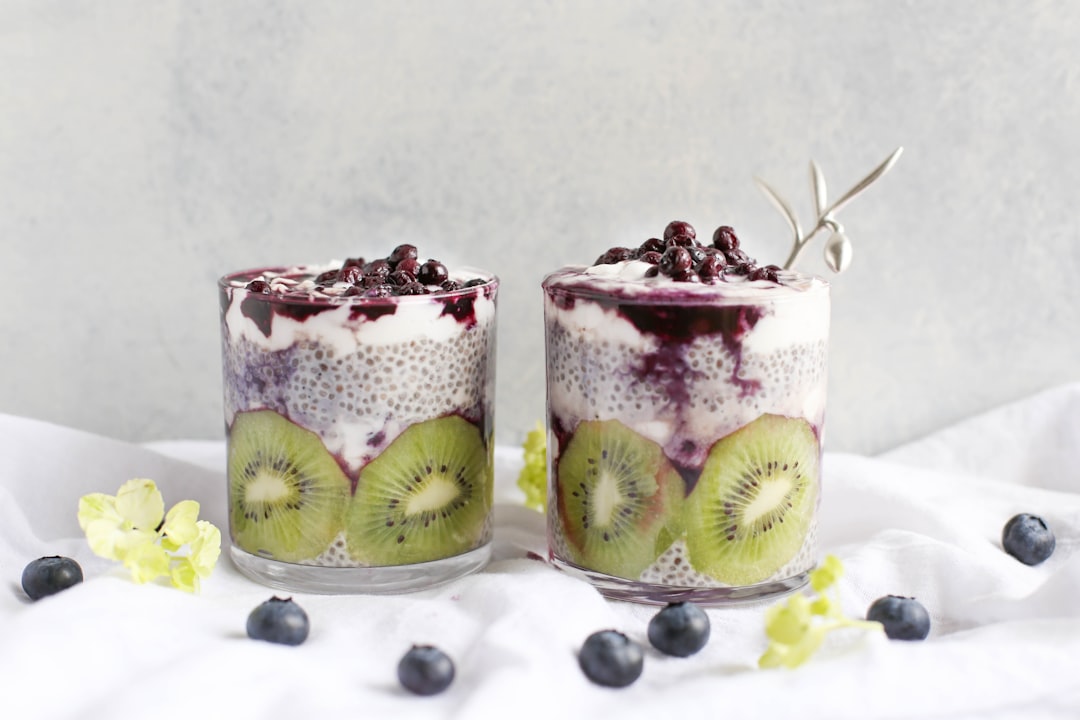
The ratio that works: 1 cup Greek yogurt + 2-3 tablespoons chia seeds + ½ cup milk + 1 scoop protein powder if using. Stir vigorously, cover, refrigerate at least 4 hours (overnight is better). Add toppings in the morning. The chia seeds need liquid to expand — too little liquid and the pudding won't set; too much and it becomes thin. The ratio above is the reliable baseline.
The Frozen Yogurt Dessert Tier: Genuinely Satisfying Dessert
Greek yogurt freezes into something closer to soft-serve ice cream than the frozen tundra you get from freezing plain yogurt. The protein content and fat structure prevent full crystallization — you get a creamy, scoopable texture at around -5°F (standard freezer temperature).
The simple version: Greek yogurt + honey + vanilla extract, mixed and frozen in a flat container for 2-3 hours, scooped out. 18-20g protein per serving. Not quite Ben & Jerry's but genuinely satisfying as a dessert at 150-180 calories.
The bark version: spread Greek yogurt on a parchment-lined baking sheet, top with berries and granola, freeze 2-3 hours, break into pieces. Makes 6-8 servings. The bark format keeps in the freezer for 2 weeks and functions as a grab-and-eat dessert with 15-18g protein per piece.
Where Greek Yogurt Adds the Most Value
| Use case | Protein added | Replaces | Trade-off |
|---|---|---|---|
| Bowl base (1 cup) | 22-24g | Smoothie bowl | Thicker texture |
| Taco topping (¼ cup) | 7-8g | Sour cream | Slightly tangier |
| Ranch dressing (¼ cup base) | 6-8g | Mayo-based ranch | Lower fat |
| Protein pudding base | 20-22g | Almond milk pudding | Thicker, creamier |
| Burger sauce (2 tbsp) | 3-4g | Mayo | Less rich |
| Baking (½ cup) | 11-12g | Butter or oil | Denser baked goods |
The taco topping and sauce replacement uses are the ones with the highest daily protein impact because they're additions to meals that already exist — you're layering protein without changing your eating habits.
FAQ
What's the difference between Greek yogurt and regular yogurt? Can I swap them?
Greek yogurt is strained — the liquid whey is removed after fermentation, concentrating the protein. Regular yogurt has 5-7g protein per cup; Greek yogurt has 22-24g. The texture is much thicker and tangier. You can swap regular yogurt in most recipes calling for Greek yogurt, but the protein numbers will be significantly lower and the texture will be thinner. For recipes where consistency matters (sauces, pudding), use Greek yogurt specifically.
Does flavored Greek yogurt have the same protein as plain?
No — flavored yogurts typically have 12-17g protein per cup compared to 22-24g for plain, because manufacturers often add sugar and starch that dilute the yogurt base. They also have significantly more carbohydrates. Plain Greek yogurt sweetened with your own honey or fruit has better macros than pre-flavored versions, and you control the sugar content. The flavored versions are convenient but you're paying a protein penalty for it.
How do I get used to the tartness of plain Greek yogurt if I don't like it?
Gradually transition. Start with non-fat plain yogurt mixed 50/50 with a flavored Greek yogurt you enjoy. Each week, increase the plain percentage. Within 3-4 weeks, the tart flavor becomes normal and eventually preferred. The tartness is fermented dairy acid (similar to how kombucha or sourdough taste tart) — it's an acquired taste that most people adjust to within a few weeks of eating it regularly.