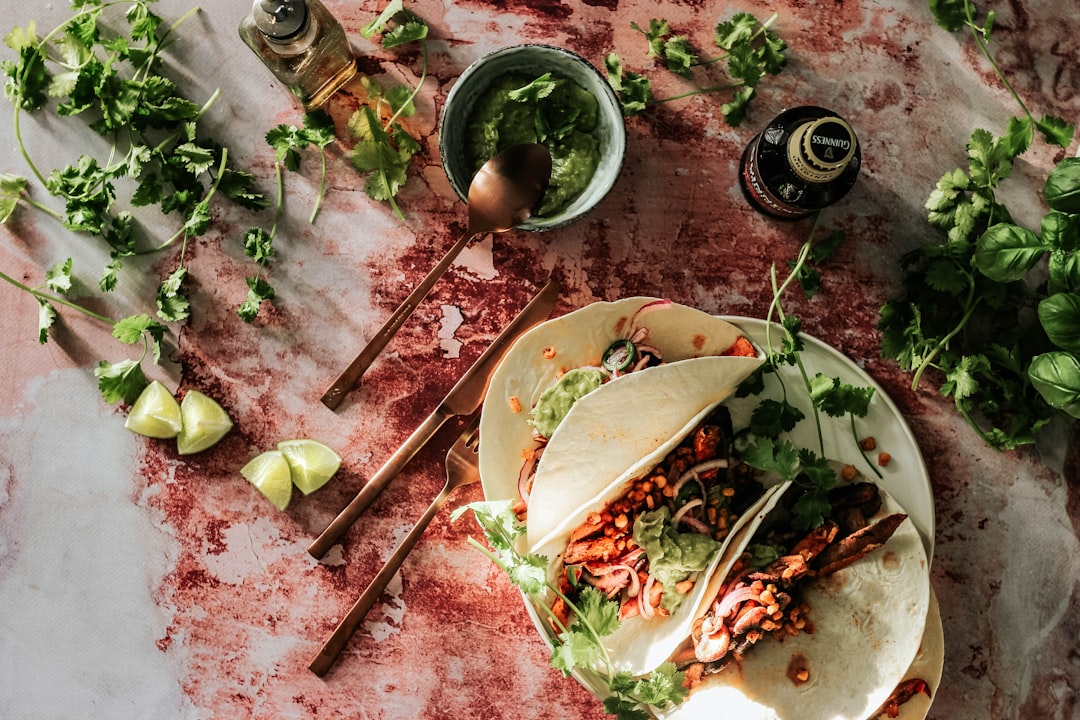
Most "beginner" recipe guides make one of two mistakes: they assume you already know how to properly sear a chicken breast, or they treat you like you're fine eating bland boiled food indefinitely. Neither is helpful.
Here's the actual beginner version: dinners that are genuinely difficult to ruin, taste good the first time, and hit 40-48g of protein without requiring techniques you've never tried.
What a Good Beginner Dinner Actually Looks Like
Three properties matter:
1. Forgiving protein: Ground meat and oven-baked proteins are forgiving. Whole chicken breast on the stovetop is not — it dries out if you go a few minutes over. Start with proteins that have a large margin for error.
2. Clear doneness signals: "Cook until done" is useless. "Cook until no pink remains" (ground meat) or "flakes when pressed with a fork" (baked fish) are specific enough to act on.
3. Pre-made seasoning: A taco seasoning packet, bottled teriyaki sauce, or fajita spice mix is not cheating. It's leveraging something other people already figured out so you can focus on technique instead of flavor composition.
The enemy of beginner cooking is too many simultaneous moving pieces. Every recipe below has one main thing happening at a time.
The Ground Meat Starting Point
Ground beef and ground turkey are the most beginner-friendly proteins at dinner. They cook evenly throughout the pan, they're done when the pink is gone (a clear, unmissable signal), and they accept any seasoning you add. Unlike a whole chicken breast, there's no way to get the outside right and the inside wrong.
The Beef Taco Bowl is the dinner that builds the foundation. One pound of lean ground beef, one packet of taco seasoning, brown rice from a microwave packet, shredded cheese, salsa, avocado. 44g protein per serving.
The steps: heat a pan on medium-high, add beef, break it apart with a wooden spoon, let it brown for 8-10 minutes stirring occasionally, drain excess fat, shake in the seasoning packet, add a splash of water, stir for 2 minutes. Done. Serve over rice with toppings.
That's four actual steps: brown, drain, season, assemble. There's nothing that can quietly go wrong.
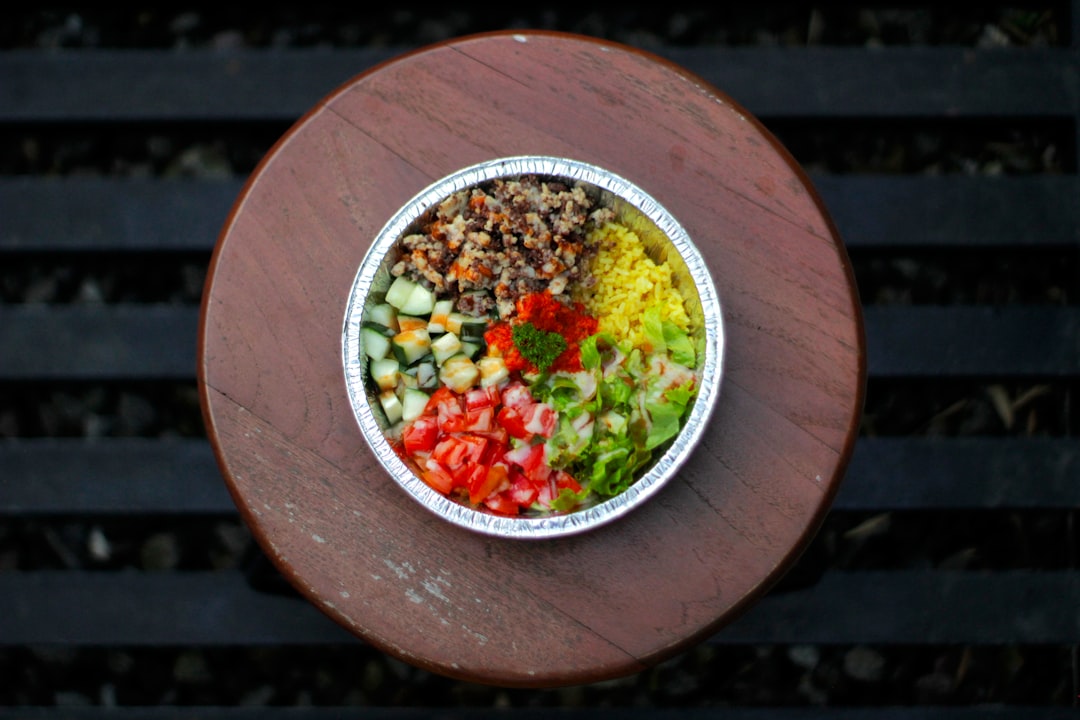
Why this recipe builds transferable skills: browning ground meat is the foundation for dozens of other dinners — Korean beef bowls (swap soy sauce for taco seasoning), Italian meat sauce (swap for Italian seasoning and marinara), ground turkey stir fry (swap the whole seasoning system). One technique, unlimited variation.
The Oven-Baked Category: Hands-Off Cooking
The oven is the best tool a beginner has. You set the temperature, set a timer, and the oven does the cooking while you do other things. You don't have to monitor temperature. You don't have to decide when to flip. You just check at the end.
Sheet pan dinners follow a single formula: protein + vegetables + olive oil + salt + whatever seasoning you like, arranged on a baking sheet, at 400°F for 20-25 minutes.
The Baked Salmon & Sweet Potato is the sheet pan dinner to start with. Two salmon fillets and sweet potato wedges on a baking sheet, drizzled with butter and seasoned with garlic powder, salt, and pepper. 400°F for 20-22 minutes. 40g protein per serving.
Two doneness tests that anyone can use:
- Salmon: press the thickest part with a fork. If it flakes apart into layers, it's done. If it feels springy and resists, give it 3-4 more minutes.
- Sweet potato: insert a fork. If it slides in without resistance, it's done. If it catches, 5 more minutes.
Both tests work even if you've never cooked either before. No guessing.
The One-Pan Category: Sequential Cooking
One-pan dinners are beginner-friendly because nothing happens simultaneously. You cook the protein, remove it, cook the vegetables in the same pan, combine. No parallel monitoring. No timing two things at once.
The Chicken Fajita Bowl is the one-pan dinner that people make on repeat — 44g protein at 500 calories.
The step-by-step: Slice two chicken breasts into strips (easier than cooking them whole). Season generously with fajita spice or a mix of cumin, garlic powder, and chili powder. Heat a pan on medium-high until hot. Add chicken strips — leave them alone for 4-5 minutes before touching them. Flip when they release easily from the pan (they'll stick if they're not ready). Cook the other side 4-5 minutes. Remove and set aside. In the same pan, add sliced bell peppers and onion. Cook 5-6 minutes until soft and slightly charred. Serve everything over rice with avocado and salsa.
The critical instruction most beginners miss: don't move the chicken for the first 4-5 minutes. Constantly moving it prevents a sear from forming, which is where the flavor lives. Leave it alone and it releases cleanly when it's ready.
The Zero-Technique Starting Point
If "beginner" means you've almost never cooked, there's an even simpler category:
Rotisserie chicken + microwaved sweet potato: Pull meat from a pre-cooked rotisserie chicken at the grocery store. Microwave a sweet potato for 5-6 minutes. Eat them together. 40-50g protein, zero cooking, 8 minutes. This counts. Use this until you feel comfortable moving to the next step.
Ground beef packet dinner: Many grocery stores sell pre-seasoned ground beef (already has seasoning mixed in). Brown it in a pan (10 minutes, no additional seasoning needed), eat over rice. 35-40g protein, two steps, nothing can go wrong.
Pre-cooked rotisserie chicken + bag salad + bottled dressing: Pull chicken, dump on salad, drizzle dressing. 35-40g protein, 3 minutes. Not every dinner has to be cooked.
Starting here isn't settling. It's starting, which is the only way the habit gets built.
FAQ
How do I know when chicken is cooked without a thermometer?
For chicken strips or thighs in a pan: cut the thickest piece in half after the first side cook. The meat should be white all the way through with no pink, and the juices should run clear. If it's pink inside, flip and cook 3-4 more minutes before checking again. Internal temperature of 165°F is the official standard — a cheap instant-read thermometer is worth $10 and removes the guessing entirely.
What's the single best beginner dinner to learn first?
The beef taco bowl. It's nearly impossible to mess up, hits 44g of protein, and the core skill (browning ground meat) transfers to dozens of other meals. Make it 5 times until it feels completely automatic. After that, every other ground meat dinner is just a seasoning variation.
I always under-season. How do I fix that?
Season with more salt than feels right. Seriously — most beginner cooking tastes bland because salt is too light-handed. Taste as you go and add more. Beyond salt: garlic powder is the most forgiving seasoning (hard to over-use), and bottled sauces (soy sauce, hot sauce, salsa) are harder to overdo than dry spices. Add a small amount, taste, add more.