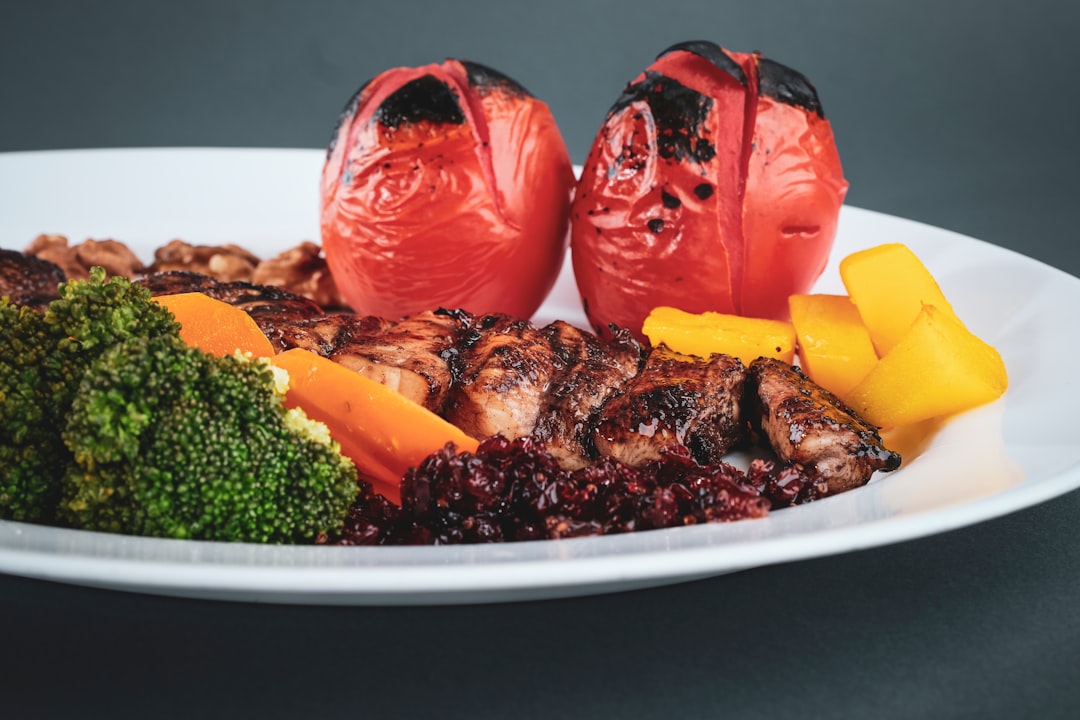
Breakfast and lunch have their own protein targets. But dinner is where the daily math gets settled. If you've been under on protein all day — which most people are — dinner has to close the gap. And even if breakfast and lunch were solid, 50g at dinner is the number that completes the picture.
For someone targeting 150g of daily protein, a typical distribution looks like: 40g breakfast + 40g lunch + 50g dinner + 20g from snacks. That last 20g from snacks is actually easy. The 50g at dinner is where people stall.
Here's exactly how to hit it.
Why Dinner Protein Has a Specific Job
Dinner protein isn't just hitting a daily total. It's loading your body for the longest recovery window of the day. Once you eat dinner and go to sleep, you don't eat again for 7-9 hours.
During that overnight fast, your body continues protein turnover — breaking down old muscle proteins and synthesizing new ones. The amino acids available for that synthesis come from what you ate at dinner. If you ate 20g of protein at dinner, your body is working with a limited supply for 8 hours. If you ate 50g, it has more to work with.
Casein protein (found in meat, dairy, and most whole food proteins) digests slowly — releasing roughly 5-7g of amino acids per hour. A 50g protein dinner supplies amino acids at a meaningful rate for several hours into your sleep, which research consistently shows improves overnight muscle protein synthesis. You wake up with less muscle breakdown than you would have with an under-protein dinner.
That's not marketing. That's how muscle recovery actually works.
The 50g Math at Dinner
The good news: dinner has the most cooking options of any meal. You can oven-roast, slow-cook, stir-fry, or braise in ways that aren't realistic at breakfast or lunch. Those methods give you access to larger protein portions with better flavor.
| Food | Serving | Protein |
|---|---|---|
| Chicken breast (cooked) | 6 oz | 52g |
| Sirloin steak (cooked) | 6 oz | 48g |
| Pork tenderloin (cooked) | 6 oz | 45g |
| Salmon fillet (cooked) | 6 oz | 42g |
| Ground beef, 90% lean (cooked) | 6 oz | 42g |
| Ground turkey (cooked) | 6 oz | 40g |
| Black beans | 1 cup cooked | 15g |
| Shredded cheese | ½ cup | 14g |
| Eggs | 4 large | 24g |
A 6 oz chicken breast alone clears 50g. A 6 oz steak gets to 48g before any sides. The practical challenge isn't finding 50g of protein — it's building a complete dinner around that protein without accidentally diluting the number with low-protein fillers.
Three Dinner Formulas That Consistently Hit 50g
Formula 1: A Full Protein Cut + Roasted Vegetables
6 oz of a cooked animal protein + roasted vegetables + a small grain is the cleanest path to 48-56g at dinner. You're letting the protein do the heavy lifting, and the vegetables add volume and micronutrients without meaningfully reducing the protein-to-calorie ratio.
The Steak & Roasted Veg hits 48g protein at 550 calories — sirloin steak over roasted sweet potatoes and asparagus with garlic butter. The steak alone contributes most of the protein. The sweet potato adds 3-4g more. Steak is specifically worth seeking out at dinner: it's high in zinc (recovery), creatine (muscle performance), and B12 (energy metabolism) in ways that chicken doesn't fully replicate.
Formula 2: Ground Meat + Secondary Protein Stack
Ground beef or turkey at 6 oz gives you 40-42g. Add half a cup of black beans (8g) and a quarter cup of shredded cheese (7g) and you're at 55-57g before rice even counts. This is the stacking approach — multiple protein sources contributing smaller amounts that add up.
The Beef Taco Bowl is this formula made practical — 44g protein at 530 calories from ground beef, black beans, cheese, avocado, and salsa over brown rice. It hits a strong protein number, tastes like a real meal, and the ingredients cost around $7.
Formula 3: Chicken + Legume Base
Chicken over a legume base is the highest amino acid diversity approach at dinner. Chicken provides a complete amino acid profile heavy in the branched-chain amino acids (leucine, isoleucine, valine) your muscles prioritize. Legumes (black beans, lentils, chickpeas) provide high amounts of lysine and additional nitrogen that complements the chicken profile.
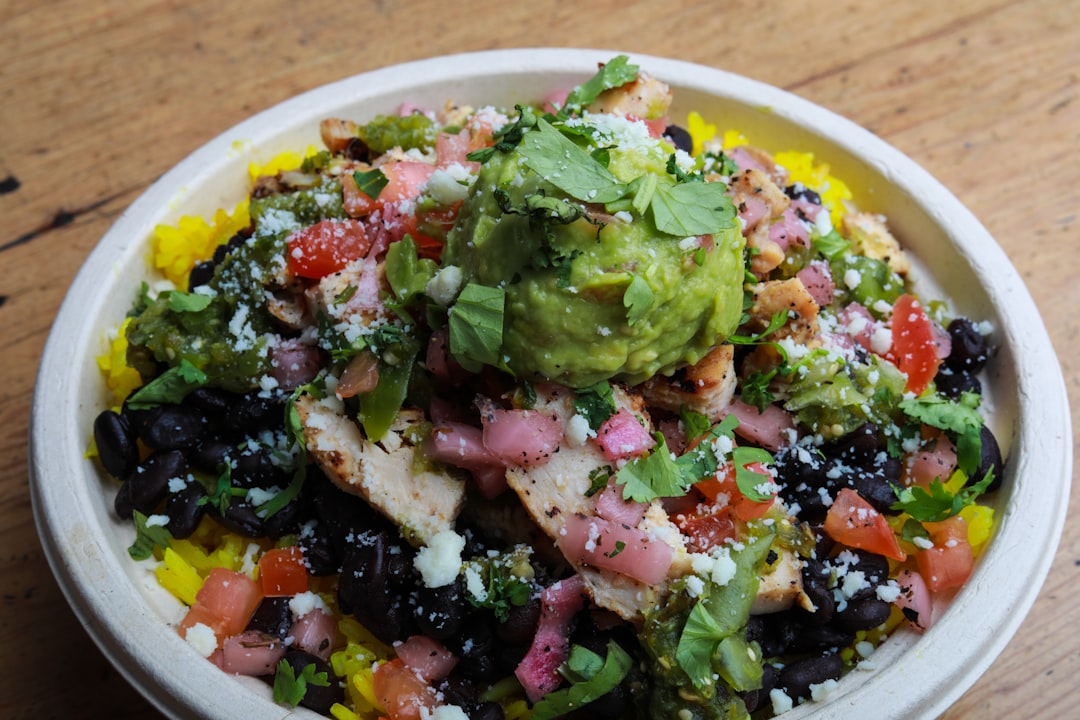
The Chicken & Black Bean Bowl puts this to work — 48g protein at 550 calories from chicken thighs, black beans, brown rice, avocado, and salsa. It's ready in 25 minutes, batch preps well, and the combination of protein sources means the amino acid signal your body receives is richer than a single-protein dinner of the same total gram count.
What Doesn't Count Toward Your 50g Goal
Pasta and bread: Wheat is technically a protein source (roughly 4g per oz of dry pasta) but the ratio is so poor — 200 calories for 8g protein — that it's not meaningfully contributing to your dinner target. Eat pasta if you enjoy it, but don't count it in your protein math.
Salad dressing and sauces: Most commercial dressings have 0-2g of protein per serving. Ranch, Caesar, balsamic — negligible. Greek yogurt-based sauces are an exception (6-10g per serving) and worth choosing specifically for that reason.
Side vegetables: Broccoli, spinach, and other vegetables contribute 2-5g of protein per cup cooked. Real amounts, but background noise when you're trying to hit 50g. Don't count them as a meaningful contribution.
The clear rule: protein from animal sources (meat, fish, eggs, dairy) is your primary vehicle. Everything else is a bonus.
The Simplest 50g Dinner Template
5-6 oz cooked animal protein + 1 cup cooked legumes or beans + 1 oz cheese or dairy = 48-58g, every time.
Applied: ground beef + black beans + shredded cheddar in a bowl. Chicken breast + lentils + Greek yogurt sauce. Salmon + edamame + parmesan. The specific food doesn't matter — the formula does.
FAQ
Is 50g too much protein to absorb in one meal?
No. The idea that you can only absorb 20-30g per meal has been widely debunked. Your body digests and uses as much protein as you give it — it just takes longer with larger doses. A 50g protein dinner digests over 4-6 hours, which is actually ideal for overnight recovery since amino acids are released gradually during sleep.
Should I eat dinner close to bedtime to maximize overnight recovery?
You don't need to eat immediately before bed, but eating within 2-4 hours of sleep is fine. Research on pre-sleep protein (from studies using casein shakes before bed) shows benefits for overnight muscle synthesis when consumed within 3 hours of sleep. A dinner at 7pm with sleep at 10-11pm fits this window easily.
Do vegetarians have a harder time hitting 50g at dinner?
Yes, practically. Animal proteins are 2-3x more protein-dense than plant proteins per calorie, and plant proteins often lack one or more essential amino acids in isolation. A vegetarian path to 50g at dinner requires intentional stacking: legumes + dairy + eggs + edamame or tempeh in combination. It's achievable but requires more planning than a single cooked meat portion.