Ground beef has an image problem. It gets lumped in with "dirty bulk" food — high fat, low quality, something you eat when you don't care about macros. That reputation belongs to 70/30 ground beef (30% fat), not to 90/10 or 93/7 lean ground beef, which is genuinely one of the best high-protein, high-zinc, high-creatine foods you can buy at a grocery store.
Lean ground beef (90/10 or leaner): roughly 22-25g of protein per 100g raw, cooks in 8-10 minutes, accepts any seasoning, costs less than most other protein sources, and produces almost no dishes that anyone would describe as bland.
The Nutritional Case For Ground Beef
Chicken breast gets all the credit in fitness nutrition. Ground beef deserves more of it.
Per 6 oz cooked lean ground beef (90/10):
- Protein: ~42g
- Calories: ~330 (before cooking oil or sauce)
- Zinc: 8mg — 73% of daily value (zinc drives testosterone and immune function)
- Creatine: ~3g per pound raw — the highest natural creatine source in food
- B12: 4mcg — 167% of daily value (B12 supports energy metabolism)
- Heme iron: 3.5mg — absorbed at 2-3x the rate of plant iron
The creatine is the one that surprises people. Beef is the reason that humans evolved the creatine biosynthesis pathway in the first place. If you're not supplementing creatine separately, eating beef is how your muscles get it.
The Fastest Format: Ground Beef Rice Bowl
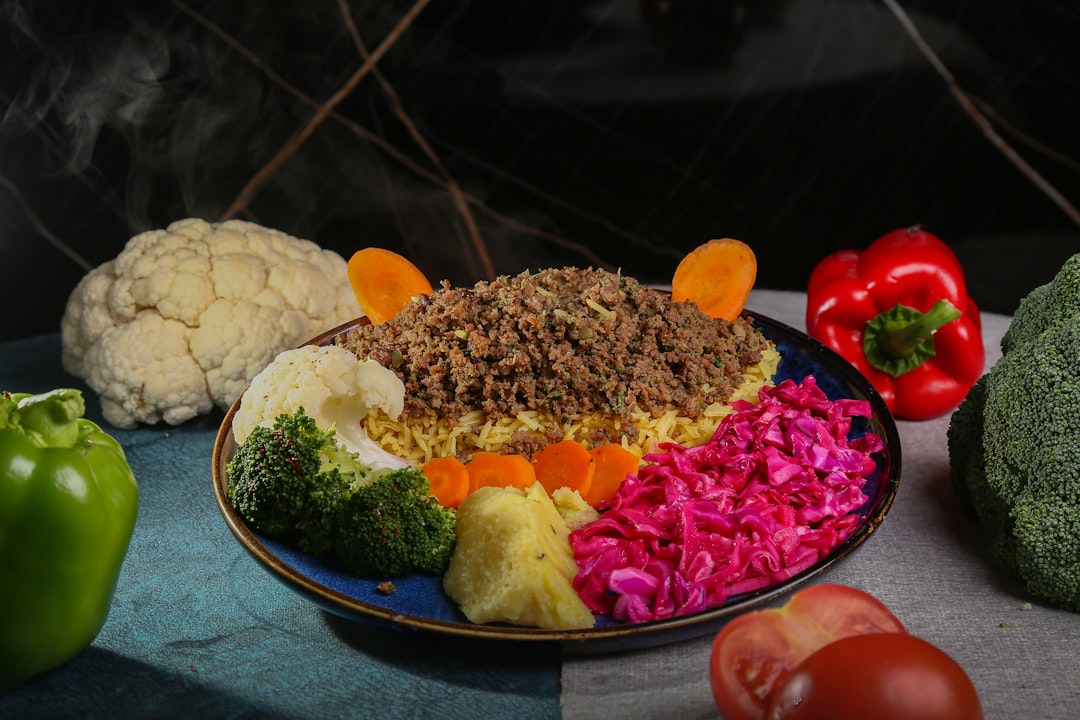
The Ground Beef Rice Bowl is 530 calories and 44g protein — the pure lean ground beef bowl with rice, no frills, high protein. This is the baseline dish that demonstrates what lean ground beef does when seasoned and browned correctly.
The only technique that matters: don't stir constantly. Add the beef to a screaming hot pan, spread it out with a spatula, and leave it alone for 3-4 minutes. You want the bottom layer to brown and develop a crust before you break it up. That brown crust (the Maillard reaction) is where the flavor comes from. Constant stirring keeps the meat steaming in its own moisture instead of browning.
The seasoning for a basic beef rice bowl: garlic powder, onion powder, salt, pepper, and a splash of soy sauce at the end. Those five things cover 80% of ground beef dishes — the soy sauce adds umami depth that salt alone doesn't provide. Add a tablespoon at the end after the fat is mostly rendered.
The Taco Format: Most Flexible Use of Ground Beef
Ground beef cooked with taco seasoning is the most versatile protein prep you can do. One pound of cooked taco beef goes into tacos, salads, burrito bowls, omelets, nachos, stuffed peppers, rice bowls — the same prep, unlimited meals.
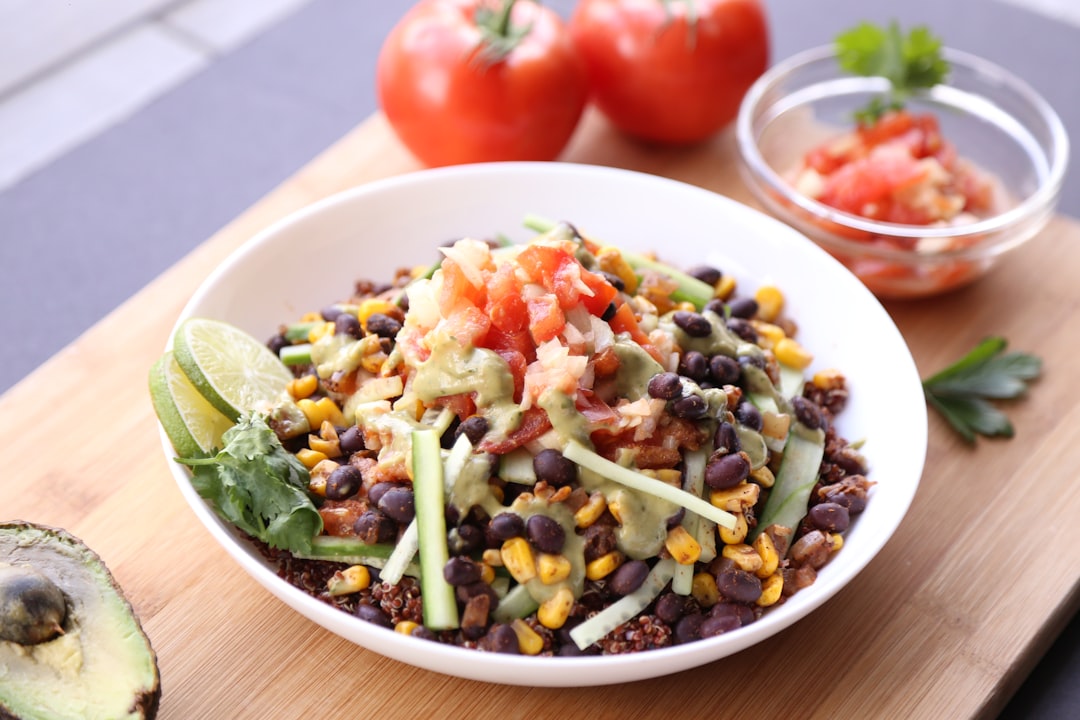
The Beef Taco Salad is 510 calories and 42g protein — seasoned ground beef over romaine with black beans, corn, cherry tomatoes, shredded cheese, and a lime crema dressing. This is the taco salad done right: enough protein from two sources (beef + beans) to hit 42g, and enough texture variety that eating it doesn't feel like a diet compromise.
The seasoning math: one packet of taco seasoning per pound of beef. Or DIY it in 30 seconds: 1 tablespoon chili powder, 1 teaspoon cumin, 1 teaspoon garlic powder, ½ teaspoon onion powder, ½ teaspoon paprika, salt and pepper. Add with ¼ cup of water after draining the fat, cook 2-3 minutes until the water evaporates. The water helps the seasoning coat every piece evenly instead of sitting in dry clumps.
The Cheeseburger Bowl: When You Want Actual Comfort Food
You're allowed to eat food that tastes like cheeseburgers. The gym food doesn't have to be sad.
The Cheeseburger Bowl is 540 calories and 42g protein — lean ground beef with cheddar, pickles, tomatoes, onion, and burger sauce over lettuce and rice. All the flavor of a drive-through cheeseburger, the protein of a serious gym meal.
The burger sauce: 2 tablespoons Greek yogurt, 1 tablespoon ketchup, 1 teaspoon mustard, 1 teaspoon pickle juice. Mix. That's 4-5g extra protein from the yogurt base, which is more than any mayo-based sauce provides. The flavor is close enough to actual burger sauce that you won't miss the original.
The beef for this bowl benefits from being cooked in slightly larger chunks than standard crumbled ground beef — press it flat in the pan, let it brown on one side, then break into chunks. You get pieces with a proper sear on at least one side, which is closer to the texture of an actual burger patty than fully crumbled meat.
The Stuffed Pepper Format: Dinner Party Version
Stuffed peppers are the ground beef dish that looks like real cooking effort even though it takes 35 minutes including the oven time. It's also the format that integrates the most vegetables without making it feel like a diet plate.
Bell peppers + seasoned ground beef + rice + diced tomatoes + cheese, baked until the pepper softens and the cheese melts. 6g protein from the pepper itself, 42g from the beef, black beans, and cheese combined.
The key: parboil the peppers before stuffing. Cut the tops off, drop in boiling water for 4-5 minutes, drain and cool. A raw pepper takes 40 minutes to soften in the oven; a parboiled pepper takes 15. The pre-cook shaves 25 minutes off oven time and means you're not waiting for the pepper to cook while the cheese burns.
Why Ground Beef Works For Meal Prep
Unlike chicken breast, ground beef in sauce holds up in the fridge for 5 days without texture degradation. This is because ground meat has a larger surface area for sauce absorption, and the fat content (even in lean ground beef) prevents the dried-out texture that plagues meal-prepped chicken breast.
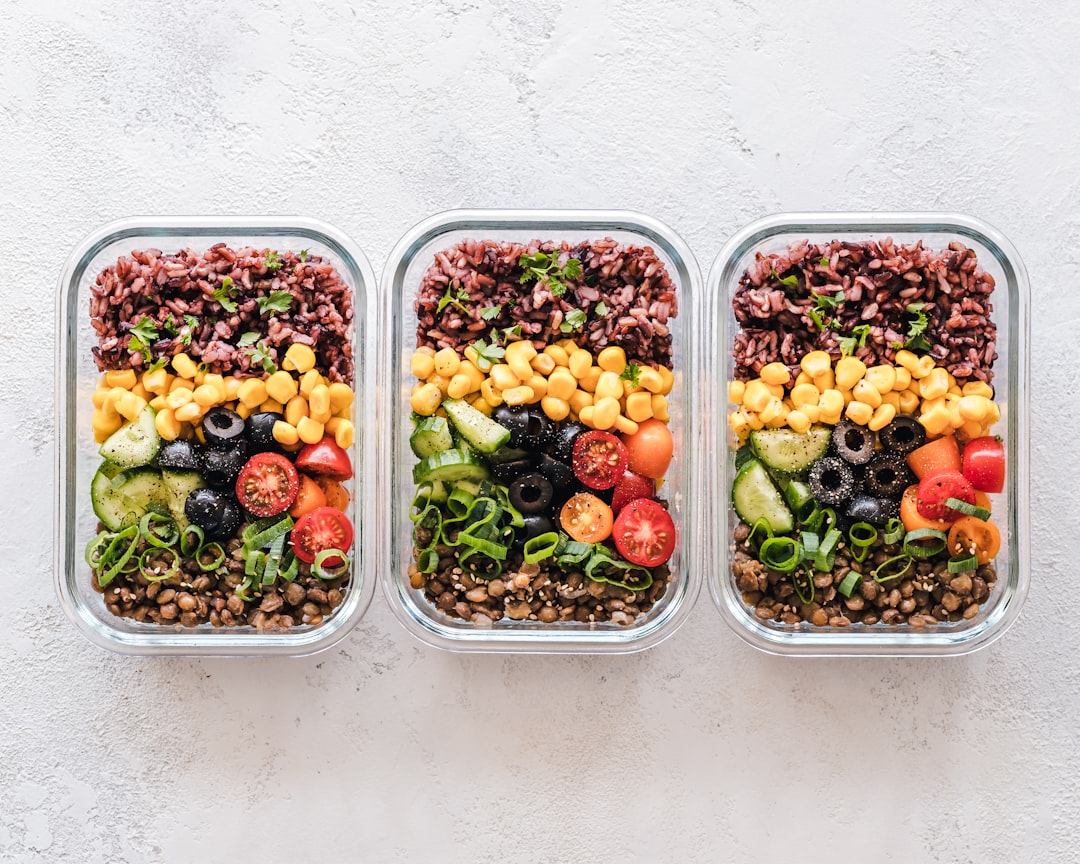
The best meal-prep format: cook a full pound of seasoned ground beef on Sunday. Store separately from rice. Reheat the beef (2 minutes), microwave a rice packet (90 seconds), combine. Three days of lunches from 15 minutes of Sunday prep.
| Dish | Calories | Protein | Meal prep? |
|---|---|---|---|
| Ground beef rice bowl | 530 | 44g | Excellent |
| Beef taco salad | 510 | 42g | Yes (dress fresh) |
| Cheeseburger bowl | 540 | 42g | Good |
| Beef stuffed peppers | 480 | 42g | Good (reheat whole) |
| Beef & veggie stir fry | 490 | 42g | Good |
FAQ
What's the difference between 80/20 and 90/10 ground beef for these recipes?
The number after the slash is fat percentage. 80/20 has more fat, more flavor, and more calories — great for burgers. 90/10 or 93/7 is leaner, slightly less flavorful on its own, but much better for a 500-calorie target. When cooking with sauces and seasonings (taco, chipotle, soy), the flavor difference between 80/20 and 90/10 mostly disappears because the seasoning is carrying the flavor anyway. Use 90/10 for macro-focused cooking.
Does draining the fat after browning really matter?
Yes. The fat rendered from 1 lb of 90/10 ground beef is about 2-3 tablespoons. That's 250-360 calories sitting in the pan. After browning, tilt the pan and use a spoon to remove excess fat, or briefly transfer meat to a paper-towel-lined plate. This makes the calorie math more reliable and prevents greasy final dishes.
Can I freeze cooked ground beef?
Absolutely. Cook, season, cool completely, portion into zip-lock bags in 4-6 oz portions. Freeze for up to 3 months. Defrost overnight in the fridge or directly from frozen in the microwave (2 minutes on 50% power). Pre-seasoned frozen ground beef is the fastest high-protein weeknight dinner asset you can build up in your freezer.