Chicken breast is the most commonly eaten high-protein food in the fitness world and also the most commonly complained about. "It's so dry." "I can't eat it anymore." "I'm so tired of it." All completely valid complaints — about a specific way of cooking it that strips out all the moisture and flavor.
Here's the thing: plain baked or grilled chicken breast with no marinade, no sauce, and cooked to 175°F instead of 165°F is genuinely bad. That's not a chicken breast problem. That's a cooking problem. Fix the cooking and you get a legitimately good, 44-48g protein meal that doesn't feel like punishment.
Why Chicken Breast Gets Dry (And How to Stop It)
Chicken breast dries out for two reasons:
1. Overcooking: Food safety requires chicken to reach 165°F internal temperature. Most people cook it to 175-180°F because they're scared. That extra 10-15 degrees is the difference between juicy and cardboard. Get a $10 instant-read thermometer. Pull at 165°F.
2. No moisture lock: Cooking bare, unseasoned chicken breast with no marinade or sauce means all the natural juices evaporate. A marinade (even 20 minutes in soy sauce, garlic, and a bit of oil) denatures the surface proteins slightly, helping the breast retain moisture during cooking. A pan sauce does the same job after cooking.
The two non-negotiable rules: don't overcook it, and always give it a marinade or sauce.
The Caprese Approach: Italy Figured This Out
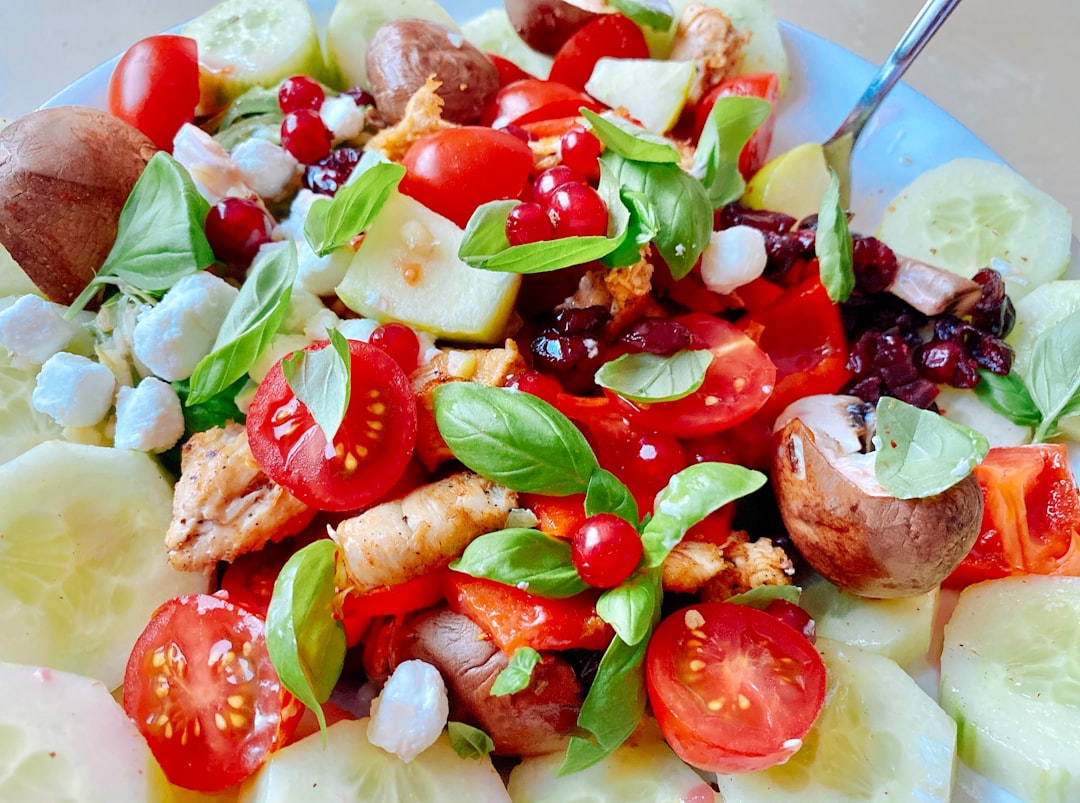
The Caprese Chicken is 420 calories and 44g protein — chicken breast cooked in a skillet and topped with fresh mozzarella, tomato, and basil, finished with a balsamic drizzle. The Italian approach to chicken breast is just better than the American gym-bro approach.
Why it works: the fresh mozzarella melts slightly from the heat of the chicken, the tomato releases juice that acts as a light sauce, and the balsamic cuts through the richness. The chicken itself becomes the delivery vehicle for a layered set of flavors, not the sad main event. The 44g protein comes from the chicken plus the mozzarella.
The technique: pound the chicken breast to even thickness (1 inch) before cooking. Uneven thickness means the thin end overcooks while the thick end catches up. A meat mallet or even a rolling pin, 30 seconds per breast, solves this. Season generously, cook 5-6 minutes per side in a medium-high skillet, add cheese in the last 2 minutes, cover the pan to melt. Rest 3 minutes before cutting.
The Chipotle Bowl: When You Want Serious Flavor
Chipotle chicken is the most meal-prep-friendly chicken breast approach because the marinade is the entire flavor system. You don't need a sauce. You don't need a topping. The chicken itself tastes like something.
The Chipotle Chicken Bowl is 590 calories and 48g protein — chipotle-marinated chicken breast over rice with black beans, salsa, cheese, and avocado. The marinade is the thing: chipotle peppers in adobo, garlic, lime juice, cumin, and a tablespoon of oil. This keeps in the fridge for up to 5 days — prep a week's worth of chicken breasts in a bag with the marinade on Sunday and cook them as needed.
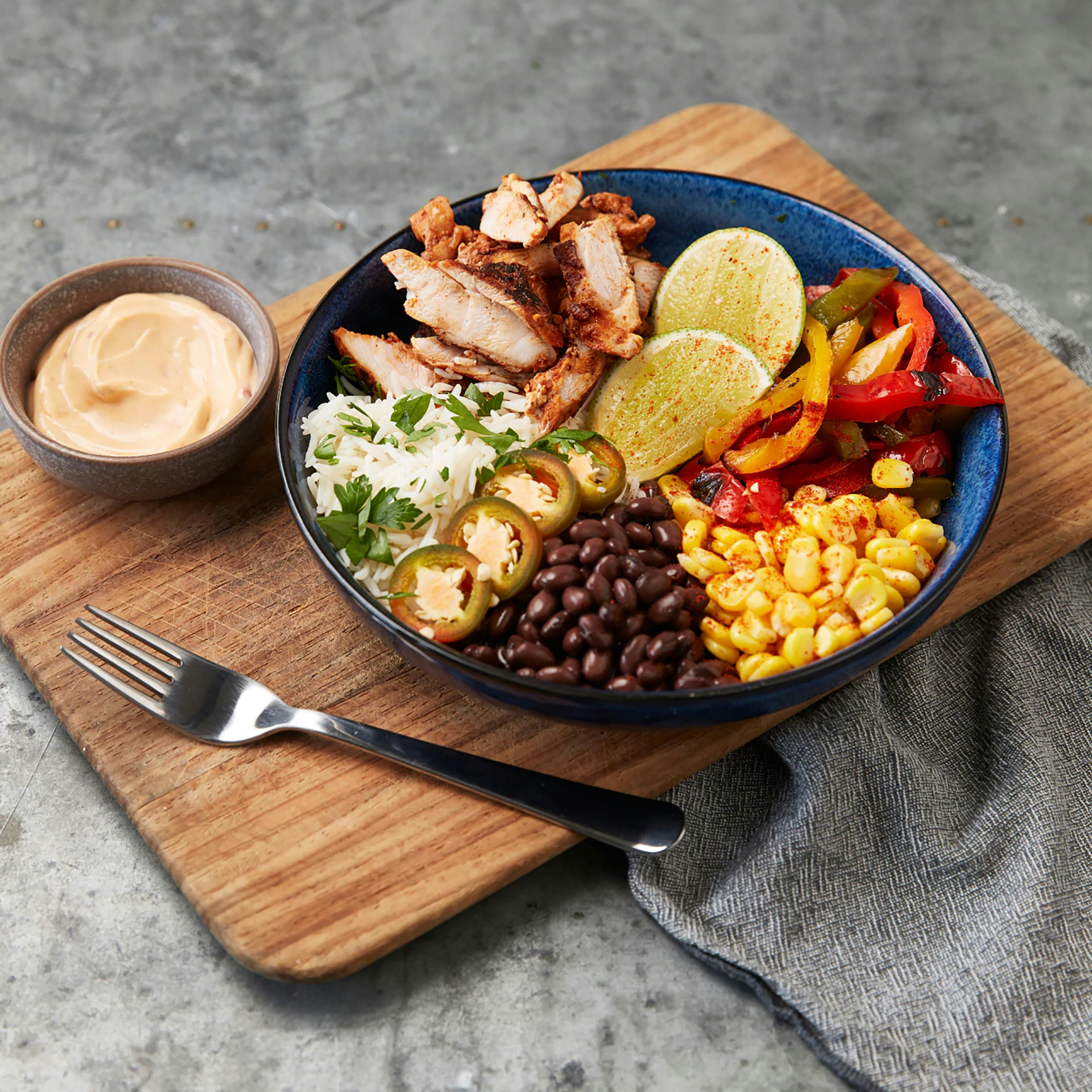
The marinade math: 2 chipotle peppers from a can + 1 tablespoon adobo sauce + 3 cloves garlic + 1 lime juiced + 1 teaspoon cumin + 1 tablespoon olive oil. Blend or chop fine. Cover chicken breasts and marinate minimum 2 hours (overnight is better). Cook at 400°F in the oven for 22-25 minutes, or in a skillet 6-7 minutes per side. The chipotle marinade also prevents overcooking because the acids start breaking down the protein before heat even touches it — the margin for error gets bigger.
The Thai Peanut Bowl: The One That Converts People
If someone says they're bored of chicken breast and you need one recipe to change their mind, this is it. Thai peanut sauce is rich, salty, slightly sweet, and slightly spicy — it makes the chicken the least interesting part of the bowl in the best way.
The Thai Peanut Chicken Bowl is 620 calories and 46g protein — sliced chicken breast over brown rice with cucumber, shredded carrot, edamame, and peanut sauce. The texture combination (tender chicken, crunchy cucumber, creamy sauce) makes this feel like a real restaurant meal, not a macro-tracking obligation.
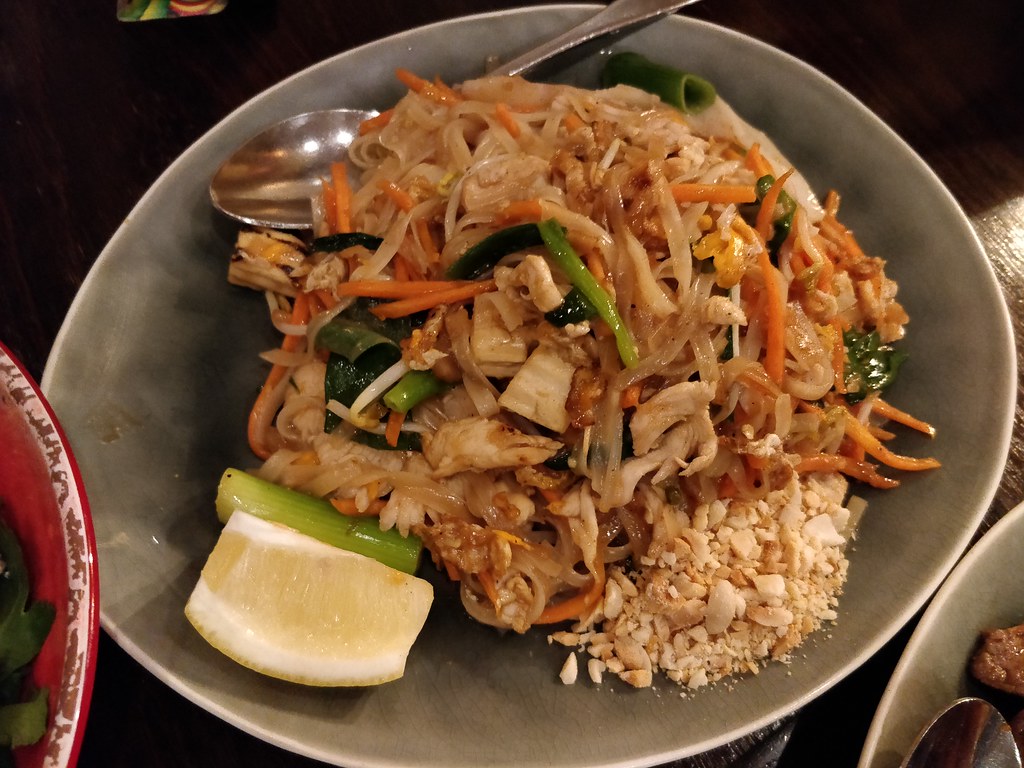
Quick peanut sauce: 3 tablespoons peanut butter, 2 tablespoons soy sauce, 1 tablespoon rice vinegar, 1 teaspoon sesame oil, 1 teaspoon sriracha, 1 tablespoon water to thin. Mix. That's 5 minutes and the most flavor you can add to any chicken breast for zero technique. The sauce keeps in a jar in the fridge for 2 weeks.
The chicken for this bowl is best prepared as thin strips, sautéed at medium-high heat for 4-5 minutes per side, then sliced — the surface area from strip-cutting means more contact with the sauce when you combine.
The Fastest Format: Chicken Salad
Not the mayo-bomb version. Chicken salad as an actual protein-packed base that works over greens, stuffed in a pita, or wrapped in lettuce.
The technique: poach chicken breasts (submerge in cold water, bring to 165°F, remove immediately, let cool) instead of oven-baking them. Poached chicken breast is notably more moist than baked because it never loses contact with liquid during cooking. Shred while still slightly warm. Mix with Greek yogurt instead of mayo (adds 6-8g protein while cutting fat), diced celery, dijon mustard, salt, and pepper.
The protein target is easy: 6 oz of cooked chicken breast = 52g protein. Divide that across two servings and you're at 26g per serving before any other ingredients. Add a tablespoon of Greek yogurt and you're at 30g+ for a light lunch that doesn't require heating anything.
A Comparison of Cooking Methods
| Method | Moisture retention | Hands-on time | Best for |
|---|---|---|---|
| Poached | Excellent | 5 min prep + 15 min | Shredding, salads |
| Marinated skillet | Very good | 5 min + 12 min | Meal prep, bowl topping |
| Oven-baked (marinated) | Good | 5 min + 25 min | Multiple breasts at once |
| Oven-baked (plain) | Poor | 2 min + 25 min | Not recommended |
| Stovetop (no marinade) | Poor | 12 min | Not recommended |
The pattern: moisture always comes from either liquid contact (poaching, braising) or marinade (which creates a barrier). Plain dry heat with nothing on the surface is the one method that consistently disappoints.
FAQ
How do I know exactly when chicken breast hits 165°F without cutting into it?
An instant-read thermometer. Insert into the thickest part of the breast, avoiding bone if there is one. Reading takes 3-4 seconds. The entire category of "is this done yet" guessing disappears. Seriously — a Thermapen or any $10 Amazon thermometer is worth ten times what it costs in ruined chicken and food safety worry.
Can I cook several chicken breasts on Sunday and eat them all week?
Yes, but slice and sauce before storing. Whole cooked chicken breasts stored in the fridge for 5 days get drier as moisture redistributes. Store in an airtight container with a tablespoon of chicken broth or cooking juices to help. Marinated cooked chicken keeps significantly better than plain cooked chicken.
Which marinade works best if I only have 20 minutes?
Soy sauce, garlic powder, and a small amount of oil — any ratio you like. The soy sauce's salt content starts changing the protein structure immediately, which improves moisture retention faster than more complex marinades. 20 minutes in straight soy sauce is meaningfully better than 0 minutes.