The under-500-calorie dinner gets a reputation for being unsatisfying. Sad salads, tiny portions, food you eat because you have to rather than because you want to. That reputation is mostly wrong — it's earned by people who try to hit low calories with the wrong foods.
The right foods for low-calorie, high-protein dinners are lean proteins and broth-based dishes. They deliver 38-44g of protein at 380-490 calories because the ratio of protein to calories is inherently good. You're not eating tiny portions. You're just eating food that's efficient.
The Metric That Matters: Protein Per Calorie
Same calculation as the other protein efficiency posts: protein grams ÷ calories × 100. A score of 8.0+ at dinner means you're getting meaningful protein without blowing your calorie budget.
Here's how the under-500-calorie dinner options rank:
| Dinner | Calories | Protein | Score |
|---|---|---|---|
| Chicken soup with veg | 380 | 40g | 10.5 |
| Beef & veggie soup | 420 | 40g | 9.5 |
| Ground pork lettuce cups | 400 | 38g | 9.5 |
| Chicken & avocado salad | 420 | 42g | 10.0 |
| Ground turkey stir fry | 460 | 43g | 9.3 |
| Shrimp & veggie bowl | 430 | 38g | 8.8 |
| Tofu & veggie stir fry | 420 | 28g | 6.7 |
| Baked salmon & sweet potato | 490 | 40g | 8.2 |
| Beef stuffed peppers | 480 | 42g | 8.8 |
The standouts are the soup and broth-based options — they top the efficiency rankings because the base is mostly water. You're eating a large, physically filling meal with very few calories from the liquid itself. The protein score is carried entirely by lean meat.
The Top Four Under 500 Calories
Chicken Soup with Veg — 380cal, 40g protein
The highest protein efficiency on this list. The Chicken Soup with Veg is 380 calories and 40g protein — chicken breast, carrots, celery, potatoes, and chicken stock cooked together until the chicken is tender and shreds easily.
That calorie count is genuinely remarkable given the volume of food in a full bowl. The broth base means you're eating mostly water with flavor, which physically fills your stomach while contributing almost no calories. The 40g protein comes entirely from the chicken. The potato adds 3-4g of carbs per bowl, not a meaningful calorie contributor once diluted in the broth.
At 380 calories with 40g of protein, this dinner leaves you room for a 100-calorie evening snack (a piece of fruit, a small handful of nuts, Greek yogurt) and still come in under 500 for the entire evening.
Chicken & Avocado Salad — 420cal, 42g protein
Don't dismiss the dinner salad if it's built right. The key to a dinner salad that's actually satisfying is two things: enough protein to trigger satiety signals (40g+ does this) and enough fat to slow digestion (avocado provides this). A salad with both isn't a sad compromise — it's a legitimately filling dinner.
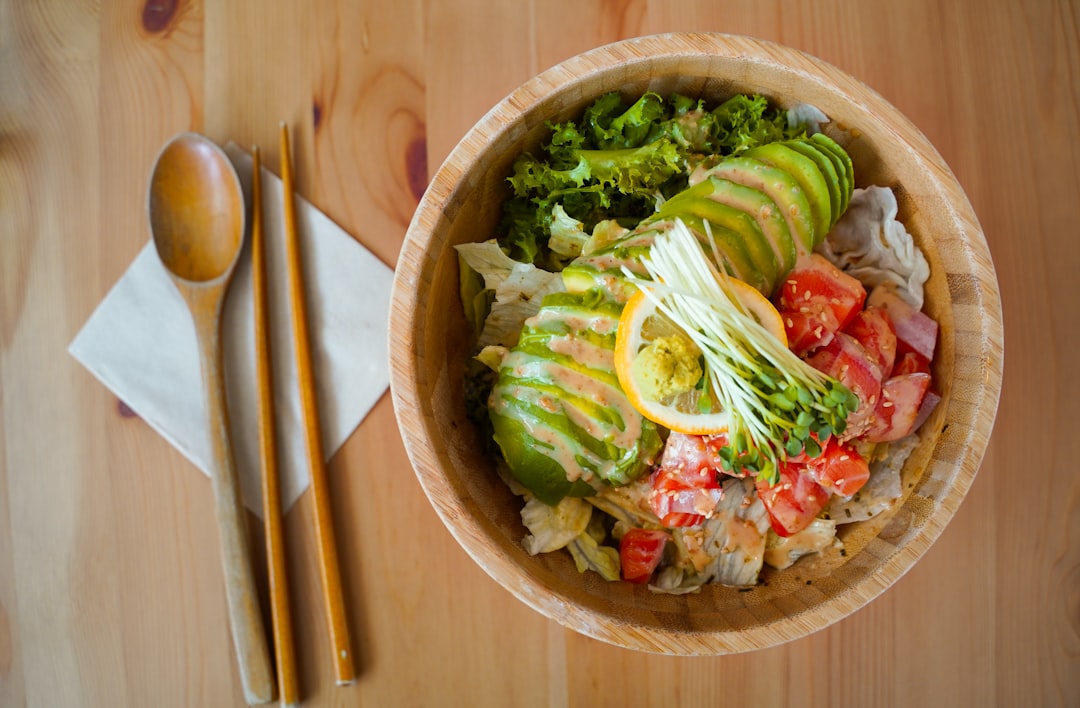
The Chicken & Avocado Salad hits 42g protein at 420 calories — grilled or baked chicken breast over a base of avocado, cucumber, cherry tomatoes, and mixed greens with a lemon-olive oil dressing. The avocado (20g fat total for the dish) extends how long you feel full well past what the 420 calories might suggest.
The execution tip: the chicken needs to be properly seasoned and cooked, not just microwaved and thrown on top of greens. Season with garlic powder, salt, pepper, and a squeeze of lemon. Cook in a pan until golden. Let it rest 3-4 minutes before slicing. That's the difference between a salad people enjoy and one they eat while staring at the wall.
Shrimp & Veggie Bowl — 430cal, 38g protein
Shrimp is the most calorie-efficient animal protein at dinner. A full 6 oz serving of shrimp has far fewer calories than the equivalent serving of chicken breast, beef, or pork, while delivering comparable protein. The visual portion is large — shrimp takes up a lot of plate space per calorie — which matters for the psychological experience of eating.
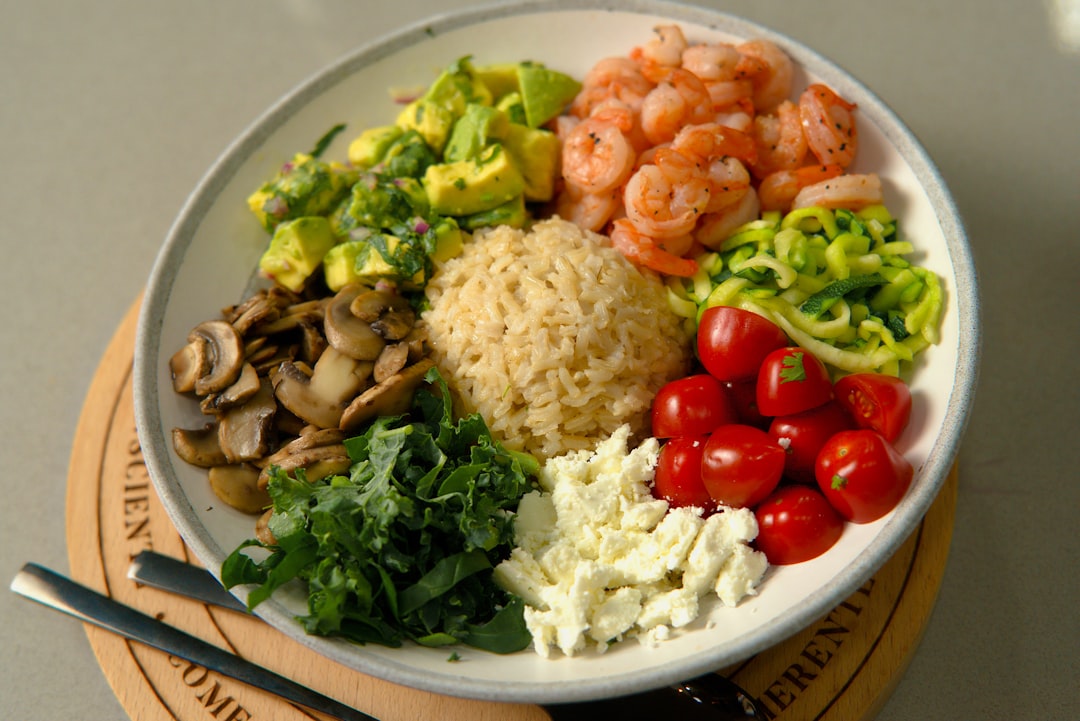
The Shrimp & Veggie Bowl is 430 calories and 38g protein — shrimp with zucchini, bell peppers, and garlic over brown rice. The vegetables add physical bulk without caloric consequence. The brown rice adds 3g of protein and enough carbohydrates to prevent the dinner from feeling too light for an active person.
Beef & Veggie Soup — 420cal, 40g protein
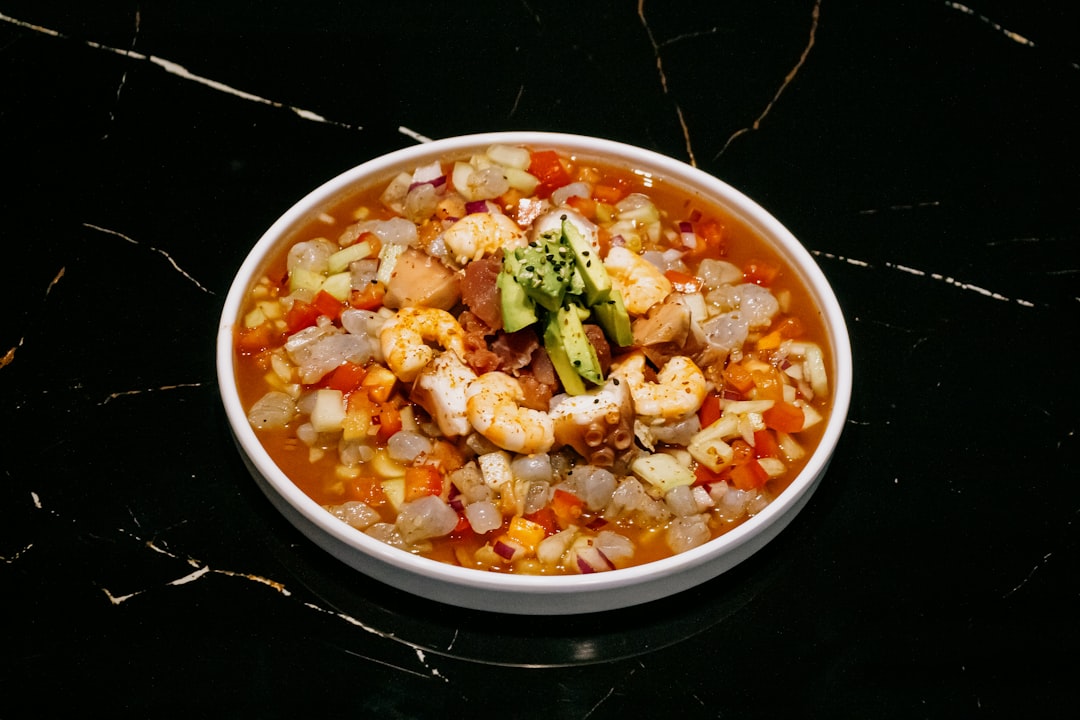
Beef soup with the lean protein advantage of chicken soup and the flavor richness that chicken broth can't match. The Beef & Veggie Soup uses lean beef chunks (the fat is trimmed, not the rich marbled cuts) braised in beef stock with carrots, potatoes, and onion. 40g protein at 420 calories.
The calorie count stays low because the beef is lean and the base is broth. You're getting the satiety and flavor of beef without the calorie density that comes from richer cuts like short rib or chuck.
The Two Biggest Calorie Traps at Dinner
Cooking oil: One tablespoon of olive oil is 120 calories. Two tablespoons (common when roasting or sautéing) is 240 calories before your protein has even touched the pan. Use a non-stick pan with minimal oil for stove-top cooking. For oven roasting, use a spray oil rather than pouring.
Sauces and dressings: Two tablespoons of Caesar dressing is 160 calories. Ranch is 145 calories. Peanut sauce can be 200+ calories. Use lemon juice + a teaspoon of olive oil instead. Or soy sauce and hot sauce, which are nearly zero calories. The flavor difference is smaller than you think after you've eaten low-calorie versions for a few weeks.
The Volume Eating Approach
For people who need more food volume to feel satisfied even at 420-480 calories: add volume ingredients that are nearly calorie-free.
- Broth: Add 1-2 cups of chicken or beef broth to any bowl-format dinner. It adds volume and flavor for 10-20 calories.
- Leafy greens: 2 cups of baby spinach is 14 calories. Under any bowl or alongside any protein, it adds filling volume.
- Cucumber, celery, radish: All roughly 15-20 calories per cup. Use them to bulk up salads and bowls.
- Hot sauce: 0-5 calories per tablespoon. Adds perceived flavor intensity without caloric cost.
A 420-calorie dinner served in a larger bowl with extra broth and greens is physically more satisfying than the same 420 calories on a small plate. Volume isn't just psychological — it triggers physical satiety signals.
FAQ
Can I actually feel full on 380-430 calories at dinner?
Yes, with lean protein and high-volume foods. The combination of 40g protein (which suppresses ghrelin, the hunger hormone) and broth or vegetable bulk makes these dinners more filling than 500-calorie carb-heavy alternatives. Many people find they feel more satisfied after 380 calories of chicken soup than after 600 calories of pasta.
Is under-500 too low if I'm active?
It depends on your total daily intake. If your breakfast, lunch, and snacks total 1,000-1,200 calories, a 450-calorie dinner gives you 1,450-1,650 total — a moderate deficit for most active people. Match your dinner calories to your overall budget, not a fixed rule. Under-500 is a useful target, not a universal prescription.
What's the biggest mistake people make with low-calorie dinners?
Underestimating cooking oil and sauces. Two tablespoons of olive oil and two tablespoons of dressing adds 360+ calories before you eat a bite of protein. Tracking these — just once, to see the actual numbers — is often the single most revealing thing a person can do for low-calorie cooking.